
The street does not need a gallery to make something matter. A name travelling on a train, a photograph circulating between friends, a sound gathering an audience: recognition can happen long before an institution arrives. That is the productive contradiction behind BEYOND THE STREETS, returning to Saatchi Gallery from 11 November 2026 to 5 May 2027. An exhibition about cultures that established their own channels of visibility now operates inside one of London's most recognisable exhibition venues.
Saatchi describes a six-decade investigation spanning graffiti, street art, hip-hop, 2Tone, photography, fashion, music and activism. More than 100 international creators are represented across more than ten rooms, with paintings, sculpture, clothing, ephemera, installations, interventions and archives. Those categories matter because this is not simply a claim that spray paint belongs beside oil paint. It is an argument that the networks surrounding an artwork can be as consequential as the object itself.
The photograph is not a footnote
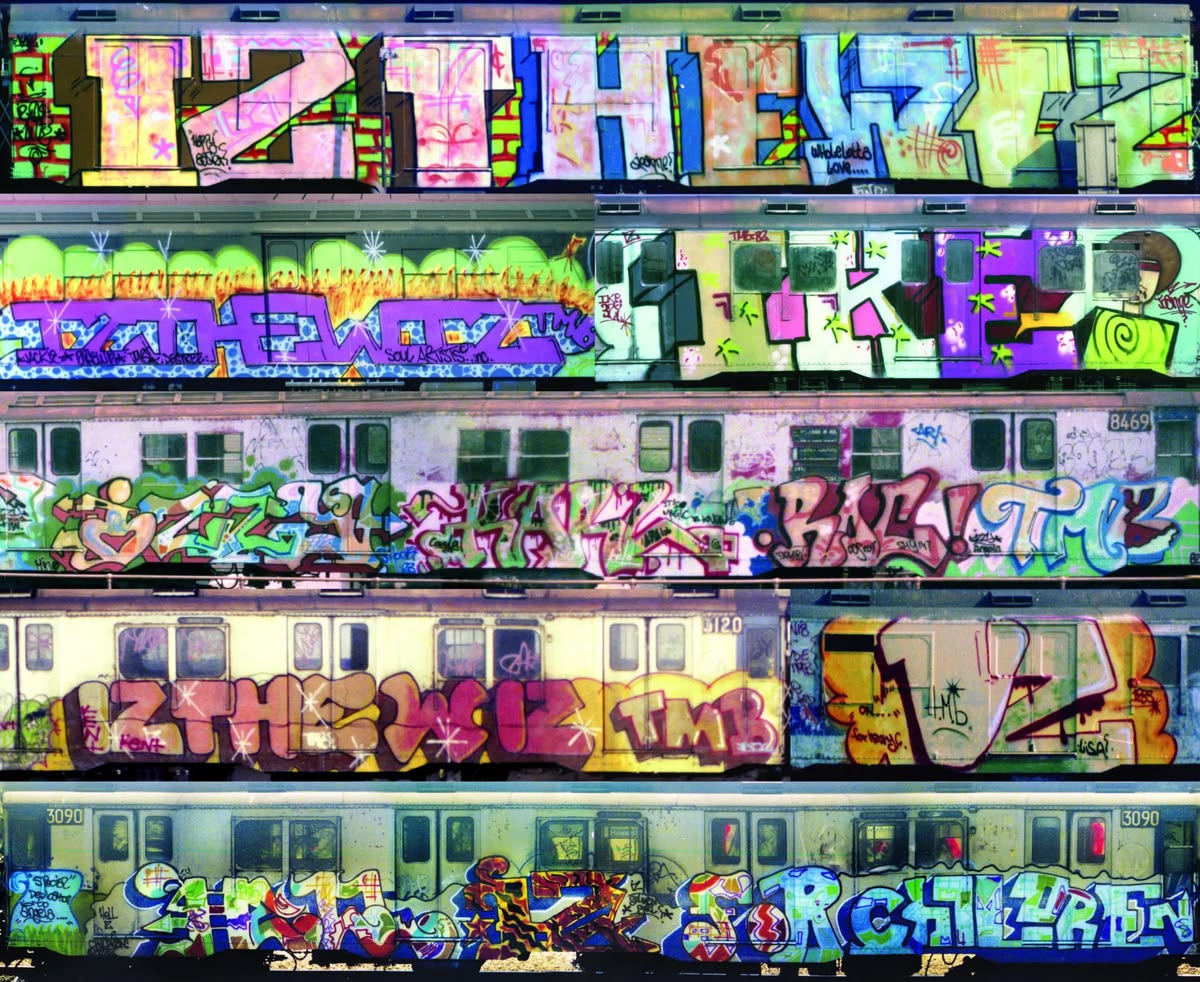
The images accompanying the announcement suggest how much of that argument rests on photography. Janette Beckman's photograph of the Specials on Southend's seafront in 1980 sits within the exhibition's published visual material, alongside Normski's photograph of MC Duke in Hammersmith during the 1980s and Gus Coral's image of Goldie spraying a can of Buntlack. IZ THE WIZ's photographs of New York subway works from 1982–83 establish another register: images that preserve painted surfaces whose original conditions cannot simply be reconstructed in a gallery.
These are not interchangeable illustrations of an attitude. A band photograph, a portrait and a record of a painted train perform different jobs. Together, they make it harder to reduce street culture to a single look. They also raise a necessary question about authorship: who makes a movement visible, and whose image becomes its public memory?
The gallery's announcement uses Martha Cooper's photograph of children heading to the London premiere of Beat Street in 1984. Its subject is not just a cultural product but people moving towards it. That distinction is useful. Culture happens through reception and circulation, not only through the production of collectible works.
Recognition has conditions
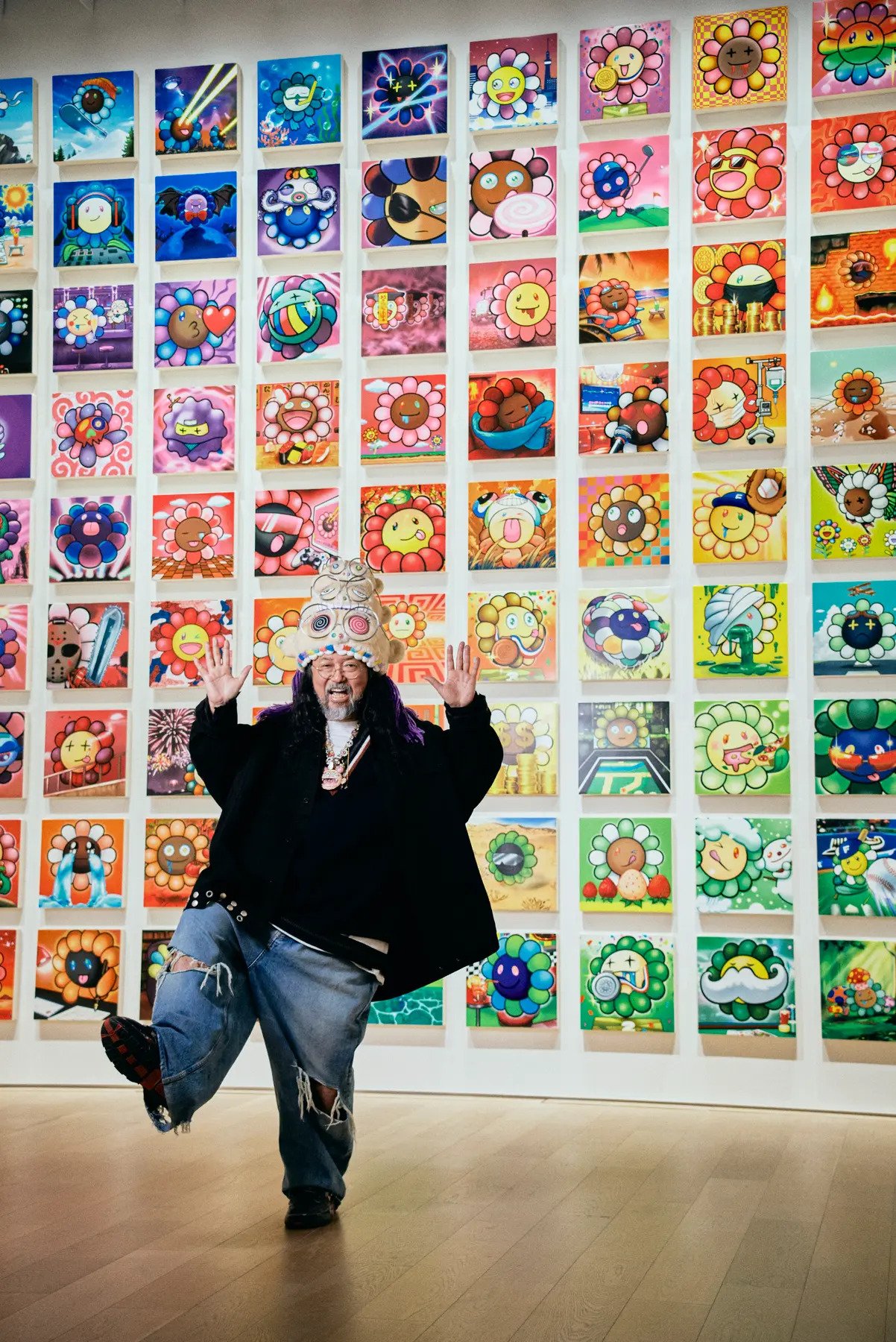
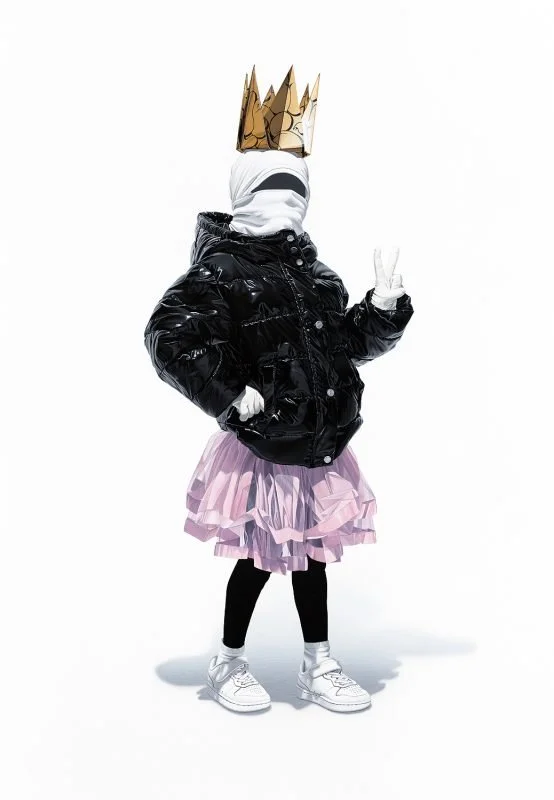
The official page also reproduces KAWS's What Party from 2020, an image from Chantal Pinzi's Shred The Patriarchy series, and the first cover of The Big Issue, published in September 1991. Their proximity signals an expansive definition of the street. It also puts pressure on the exhibition's organising idea. Graffiti, skate photography, publishing and commercially successful sculpture do not share identical relationships with permission, property or power.
Calling them all rebellious would be an easy way to avoid those differences. A stronger exhibition would let the contradictions remain visible: between unauthorised expression and commissioned intervention, between documentation and ownership, between a culture's participants and its paying spectators. Institutional recognition is not automatically betrayal. Nor is it proof that the institution has absorbed the politics of what it displays.
There are practical gains to the move indoors. Archives can be preserved, photographs studied and histories placed in conversation. New commissions can give artists resources unavailable on the street. But the gallery also changes the encounter. What was encountered unexpectedly becomes something a visitor chooses to see; what moved through a city becomes something arranged within an argument.
BEYOND THE STREETS has enough breadth to make that transformation its subject rather than conceal it. The useful question is not whether street culture has finally earned admission. It is whether admission allows its conflicts, differences and competing claims to remain audible. The street does not become important when the gallery opens its doors. The gallery becomes interesting when it acknowledges that importance existed without it.