CARTI WORLD THE SOUND, THE STYLE, THE CULT.
ISSUE 004 COVER STORY / MUSIC · OPIUM · AHH YEA
Three albums in eight years, one aesthetic that swallowed a generation. How Jordan Terrell Carter turned a voice, a wardrobe and a label into the most copied blueprint in underground rap.
WORDS — E5T / VANDAL MAG
- 3STUDIO ALBUMS
- 2019OPIUM FOUNDED
- 004COVER
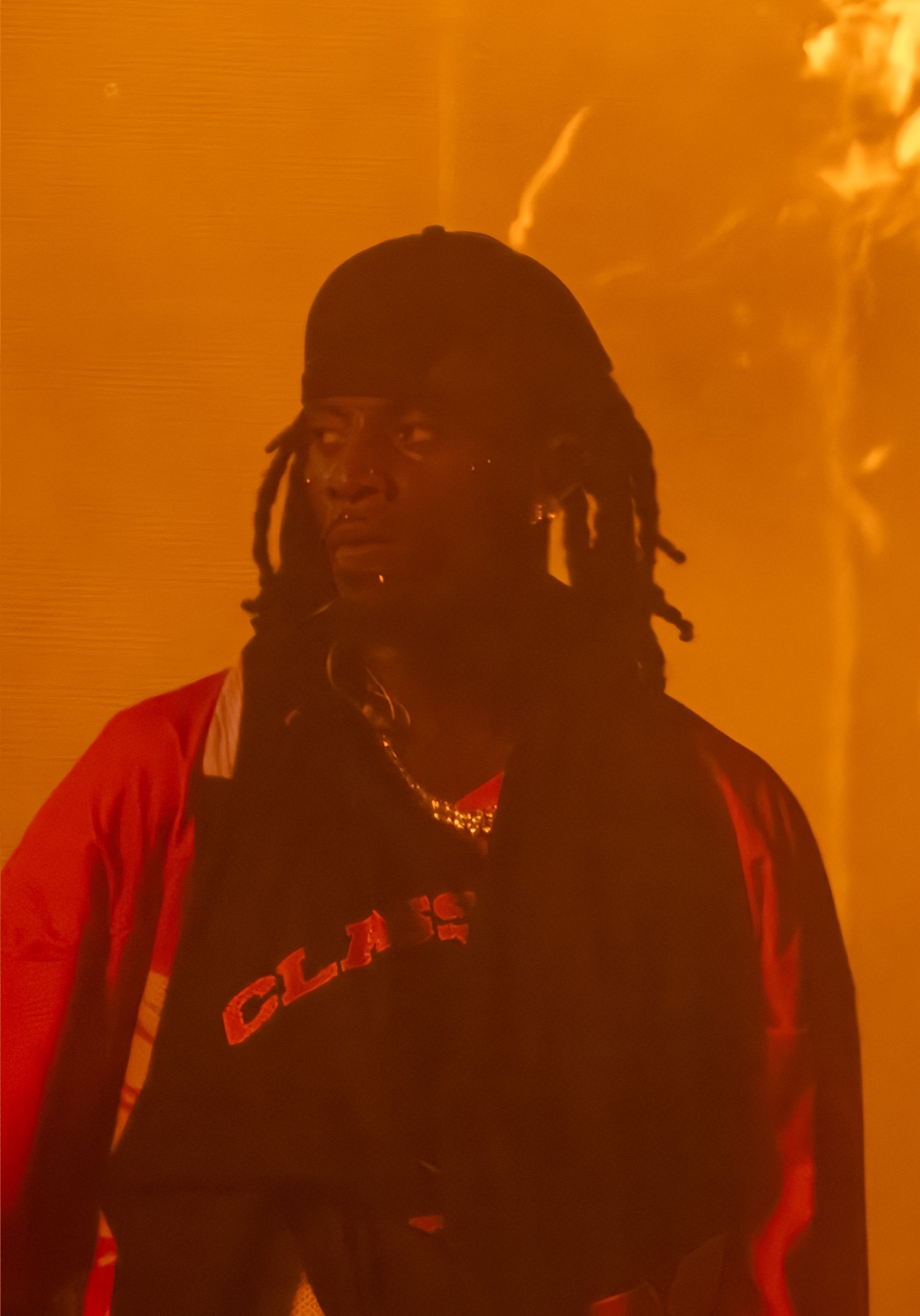
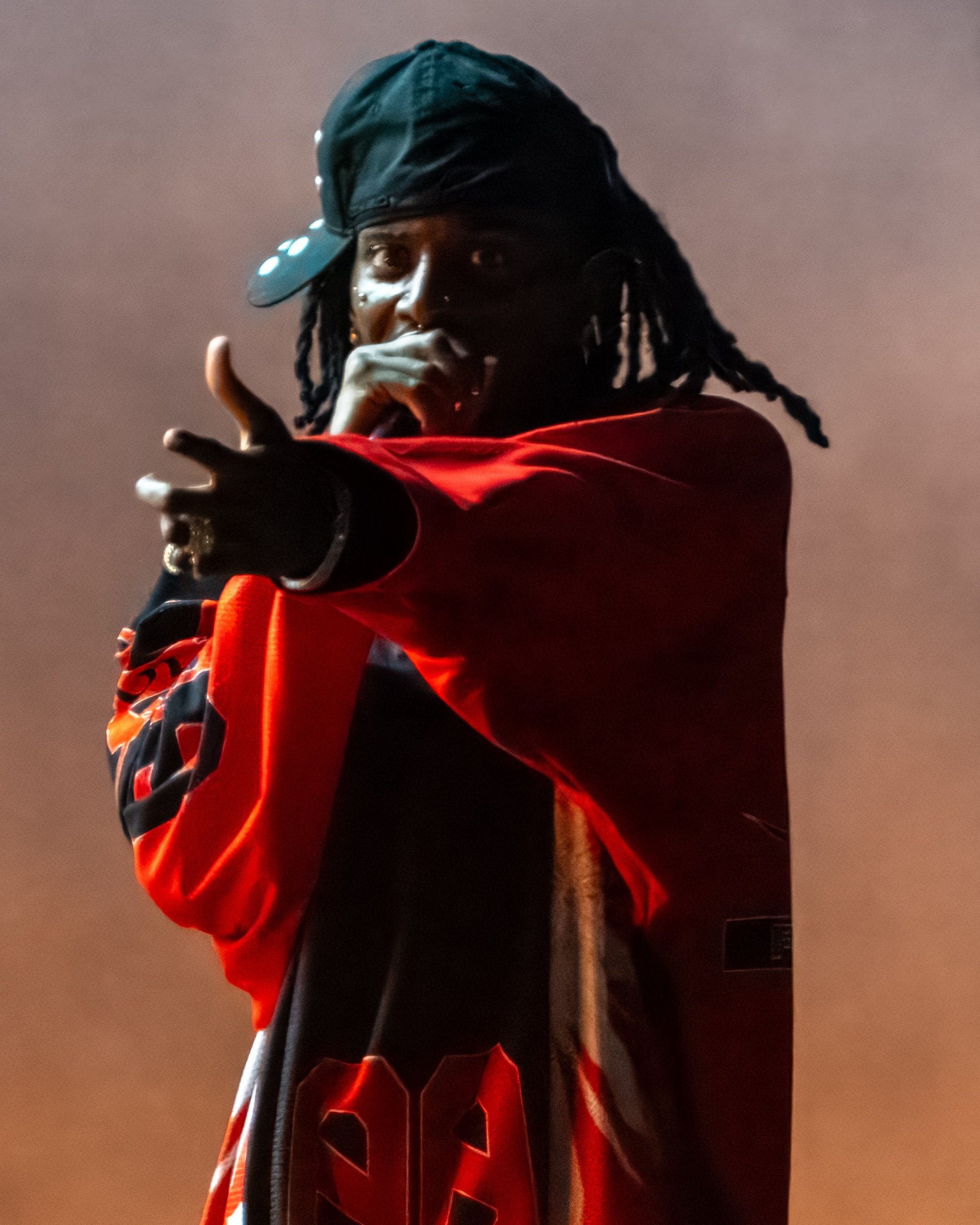
There is a particular kind of influence in rap that has nothing to do with chart positions. It is the sound of a hundred phones in a parking lot playing the same six seconds of a song because everybody in that car already knows what the next three seconds feel like. Playboi Carti built that. Not with a hit. With a temperature.
Jordan Terrell Carter has released three studio albums in eight years — Whole Lotta Red on December 25, 2020, then MUSIC on March 14, 2025 — and a body of work that behaves less like a catalogue and more like a design system. The voice, the wardrobe, the label, the crowd, the way a stage is lit. You can copy all of it without copying a single bar. That is what makes him the most imitated figure in underground rap, and it is why this issue puts him on the cover instead of a rumour.
THE VOICE AS AN INSTRUMENT
Start with the thing people argue about. The voice. On the 2017 mixtape that carried his name and on Die Lit in May 2018, the delivery was already doing the work of a hook: short phrases, repeated until they stop being lyrics and start being texture. By Whole Lotta Red the scraping, high-pressure rasp had become the actual subject of the record. Critics called it lazy. Fans called it the only honest thing on the internet.
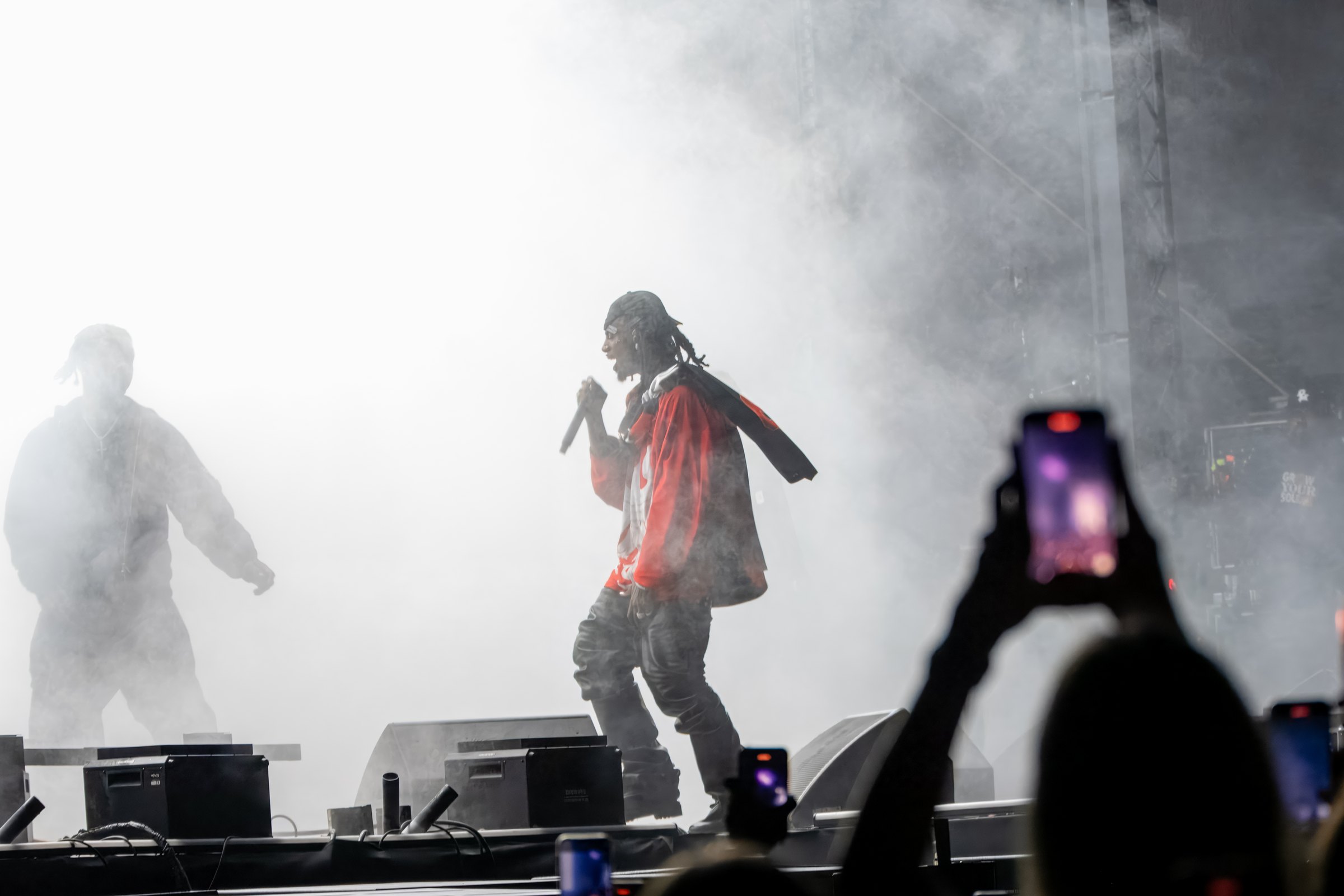
Both readings miss what the voice is doing. It is not carrying a story. It is carrying a rhythm section — a percussive, almost vocal-adrift layer that sits on top of a beat rather than inside it. When you hear a young rapper scream a two-word phrase over a distorted synth and the crowd screams it back, that is not imitation for the sake of it. That is a template that solved a problem: how to make a song work in a pit.
What he has said about the shift is narrower than the mythology. In XXL, interviewed by Vanessa Satten for the Spring 2022 issue, Carti put his own change of direction simply: "I have a lot to say, I'm ready to speak my mind and just let it all go. It's me." That is the whole argument. The voice got stranger because the writing got more personal, not less.
THE STYLE AS A SYSTEM
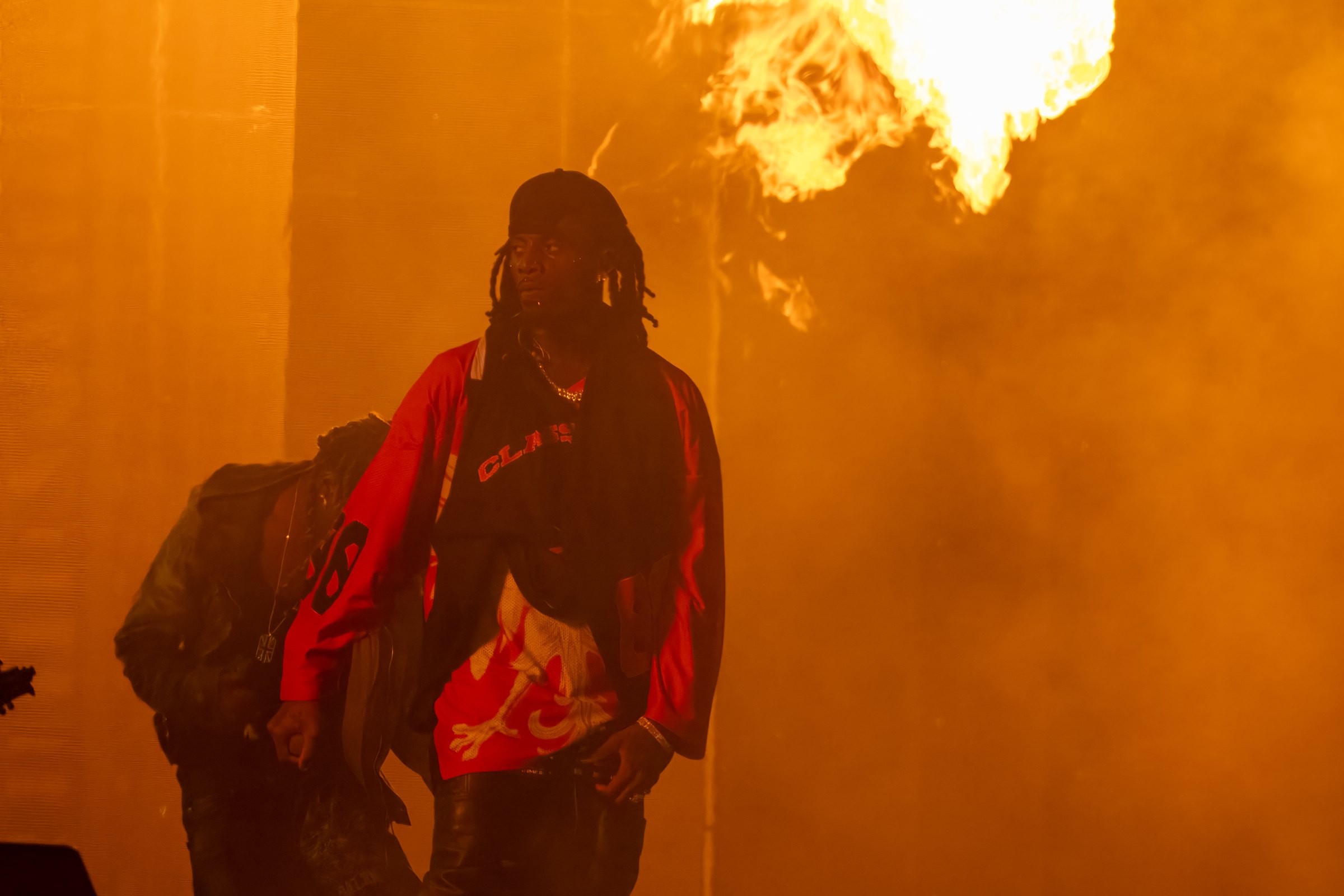
The fashion conversation follows the same logic. Rick Owens, Raf Simons, Vetements, the all-black silhouette, the torn layering, the punk posture borrowed from a scene most of the audience had never seen live. In the same XXL interview he was asked about dressing and answered without any of the mystique the press keeps assigning him: "Well, when it comes to fashion, whatever I was wearing then that was it, you know what I'm saying?"
That line is more useful than any stylist's essay. The look was never a campaign. It was a set of preferences that happened to be legible from a distance, which is the only requirement for a look that a thousand teenagers can reproduce. Style that needs explaining does not spread. Carti's did not.
What the imitations get wrong is the restraint underneath. The silhouette reads chaotic and is actually strict — mostly black, mostly one shape, mostly one attitude. Copyists add logos and colour and lose the thing that made it work.
PLAY CARTI 30-second previews, straight from the record
- 01AHH YEAPlayboi Carti
- 02POP OUTPlayboi Carti
- 03CRUSHPlayboi Carti
- 04K POPPlayboi Carti
- 05EVIL J0RDANPlayboi Carti
- 06MOJO JOJOPlayboi Carti
OPIUM: THE LABEL AS THE ARGUMENT
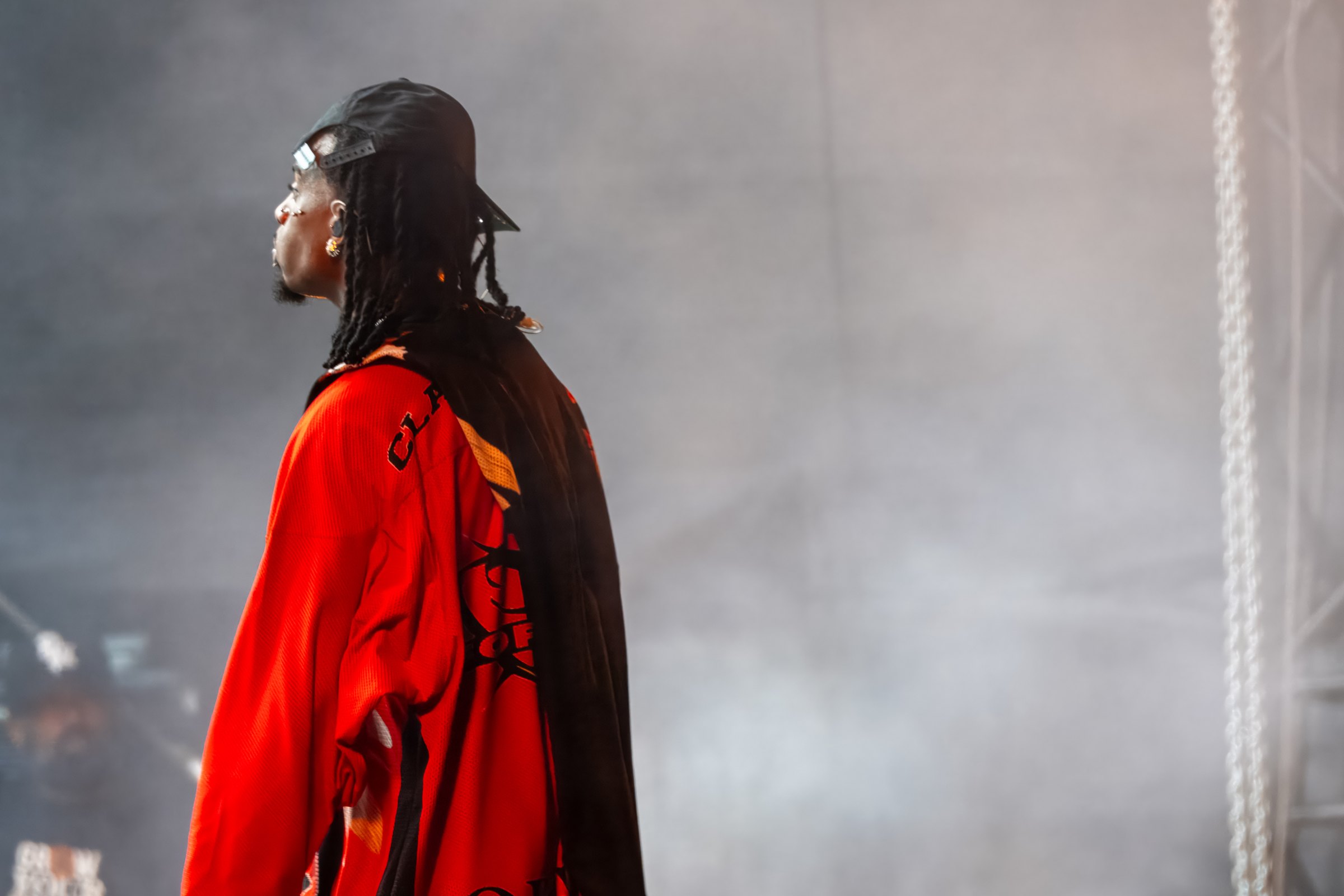
In 2019 Carti founded Opium, and the releases that followed carry Opium and Interscope credits. This is where influence stops being a vibe and becomes an institution. The roster established in the label's own release history and reporting is not a crew of session guests: Ken Carson, Destroy Lonely, and Homixide Gang — the duo of Homixide Beno! and Homixide Meechie. A$AP Nast told British Vogue in May 2025 that he was signing to both AWGE and Opium.
That roster is the tell. Opium did not sign people who sounded like Carti. It signed people who shared his posture and then went in different directions — Carson's rage, Lonely's melodic drift, Homixide's harder edge. A label that only clones is a gimmick. A label that gives one aesthetic four different outputs is a scene.
The results are documented, not speculated. Ken Carson's latest listing is xperiment - cartunez, released August 27, 2026 through Opium/Interscope, with cartunez arriving as a thirteen-track addendum to xperiment. Destroy Lonely's latest full-length is
WHY IT MATTERS NOW
The reason to run this in November 2026 is not nostalgia. It is that the blueprint is now the default. When a new artist arrives with a scraped voice, a black wardrobe, a smoke-filled stage and a label named after something dangerous, that is not a coincidence to be reported — it is a lineage to be named. The most useful thing a music desk can do is say which room a song was built in.
Carti's own move this week is the cleanest example of the blueprint adapting. He is on Grand Theft Auto VI: The Album, released November 20, 2026, thirty-four tracks on Atlantic and Take-Two, with his recording sitting at track three. That is the sound leaving the club and entering a world that a generation will walk through for forty hours. The aesthetic that started in a Phoenix Theatre crowd in 2017 is now ambient architecture.
THE PART THAT SHOULD STAY UNFINISHED
The cult argument has a real cost, and it is worth stating plainly: when the voice is the instrument, the writing gets a free pass. When the wardrobe is the statement, the album rollout can run on atmosphere alone. When the label is the argument, the roster can be treated as proof rather than as work in progress. None of that is a reason to dismiss the influence. It is a reason to keep measuring it.
The case for Carti is not that he is the best rapper alive. It is that he changed what a rap performance is allowed to consist of, and then built the institutions to make sure the change outlived him. MUSIC did not need to be a perfect album for that to be true. It needed to exist, thirty tracks deep, three years after the last one, with the same stubborn refusal to explain himself.
That is the culture on the cover of this issue. Not a hit. A temperature.