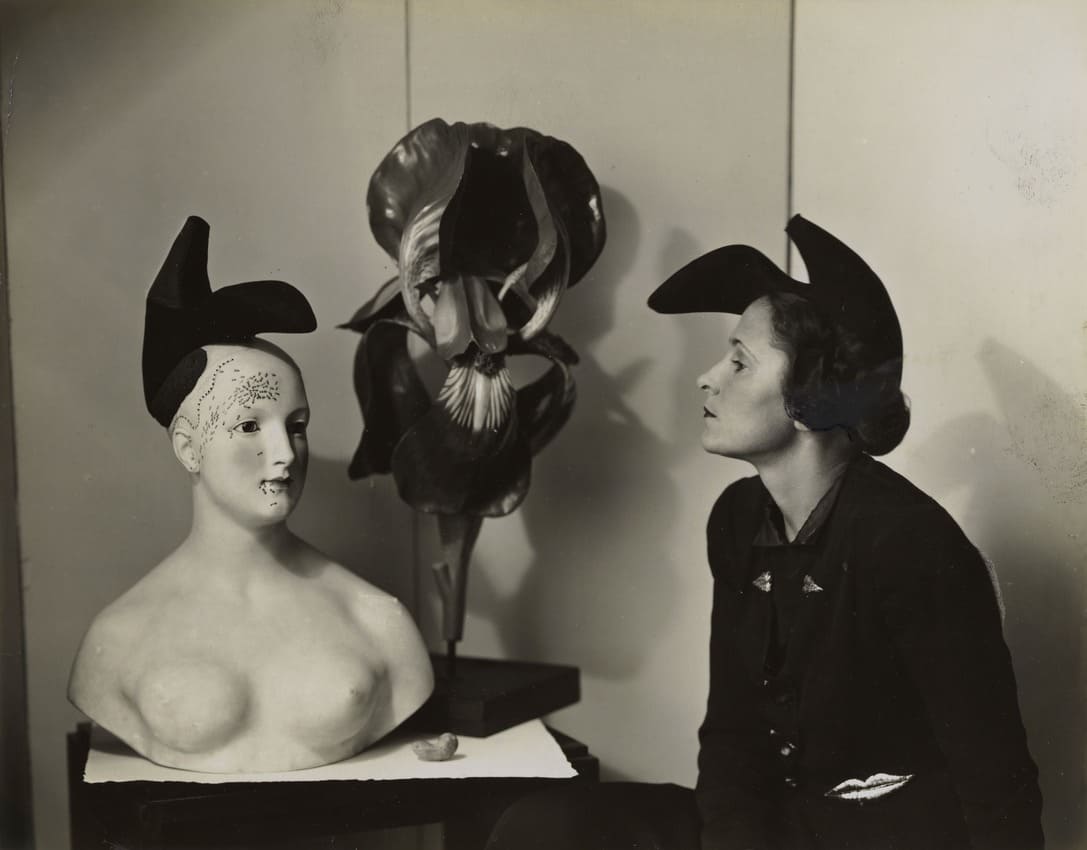
A shoe on the head is a joke until it starts changing the rules. In André Caillet's 1938 photograph of Gala wearing Elsa Schiaparelli's shoe-hat, inspired by a Salvador Dalí design, an object migrates from one end of the body to the other. Its usefulness becomes absurd; its capacity to produce an image becomes exact. Fashion does not need to abandon the everyday object to make it strange. It can simply put it somewhere it supposedly does not belong.
The photograph appears in the official selection for Dalí and Fashion at Palazzo Reale, Milan. Bringing together more than 200 works and documents, the exhibition examines both Dalí's influence on fashion and fashion's role in constructing his creative world. That second direction is crucial. Clothes were not merely surfaces waiting for an artist's ideas. They were part of the machinery through which identity, fantasy and recognition could be made.
Not just art applied to clothes
The exhibition encompasses paintings, drawings, photographs, garments, films, jewellery and objects. According to its organisers, substantial loans come from the Fundació Gala-Salvador Dalí, The Dalí Museum in St. Petersburg, Florida, and Madrid's Museo Nacional Centro de Arte Reina Sofía. Materials from the historical archives of Schiaparelli, Chanel, Dior and Rabanne extend the enquiry into fashion's own institutions.
The range discourages a narrow account in which an autonomous artistic idea descends into the supposedly lesser world of dress. A painting, a garment and a magazine image operate differently. Putting them into one exhibition makes it possible to ask how an image changes as it travels, rather than simply celebrating its recognisability.
The official exhibition site also points to fashion publishing among the relevant connections. That places the printed page alongside the wardrobe. Fashion's influence includes how an appearance is photographed, circulated and remembered.
Gala is part of the construction
The exhibition's own framing places Gala at its centre as muse, model and strategist of image-making. The last of those roles deserves emphasis. Calling someone a muse can make their contribution seem atmospheric: a presence that inspires while someone else acts. Strategy implies decisions, presentation and an understanding of how an image will function beyond the moment it is made.
Caillet's photograph offers a compact way into that problem. The shoe-hat belongs to a network of contributions rather than a single act of authorship: Dalí's design, Schiaparelli's fashion object, Gala's appearance and the photographer's image. The surreal effect is inseparable from a recognisable person wearing the object and a photograph enabling others to encounter it.
This is also where the exhibition's relevance can avoid the lazy claim that Dalí somehow predicted everything online. The more useful continuity concerns the labour of becoming an image. Public identity is assembled through objects, gestures and mediated appearances.
A wardrobe with unstable meanings
The official route comprises six sections: A Prologue, The Secret Life of Fashion, The Wardrobe, The Dream of Fashion, Performing fashion and Dalí and Fashion Now, with exhibition design credited to Judith Clark. The sequence signals a movement from private associations and possessions towards performance and contemporary connections.
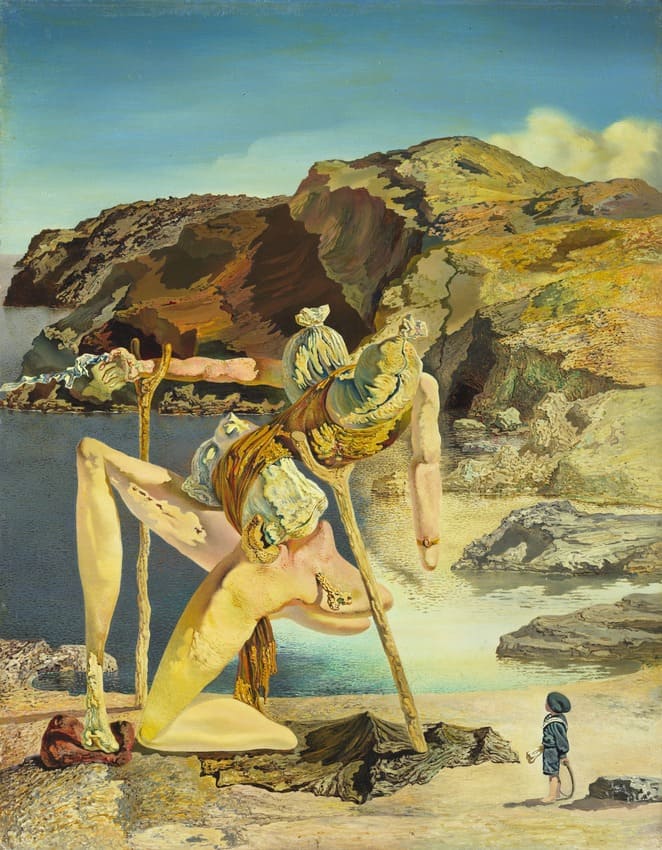
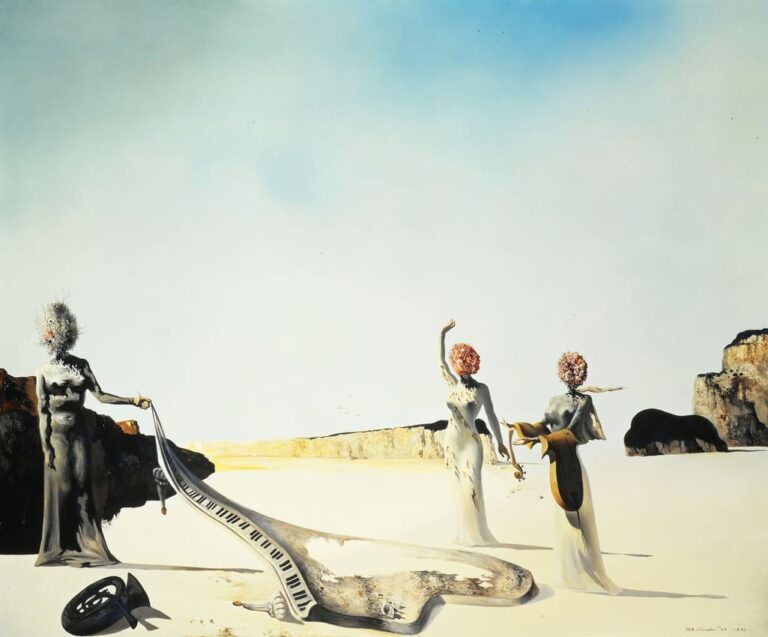
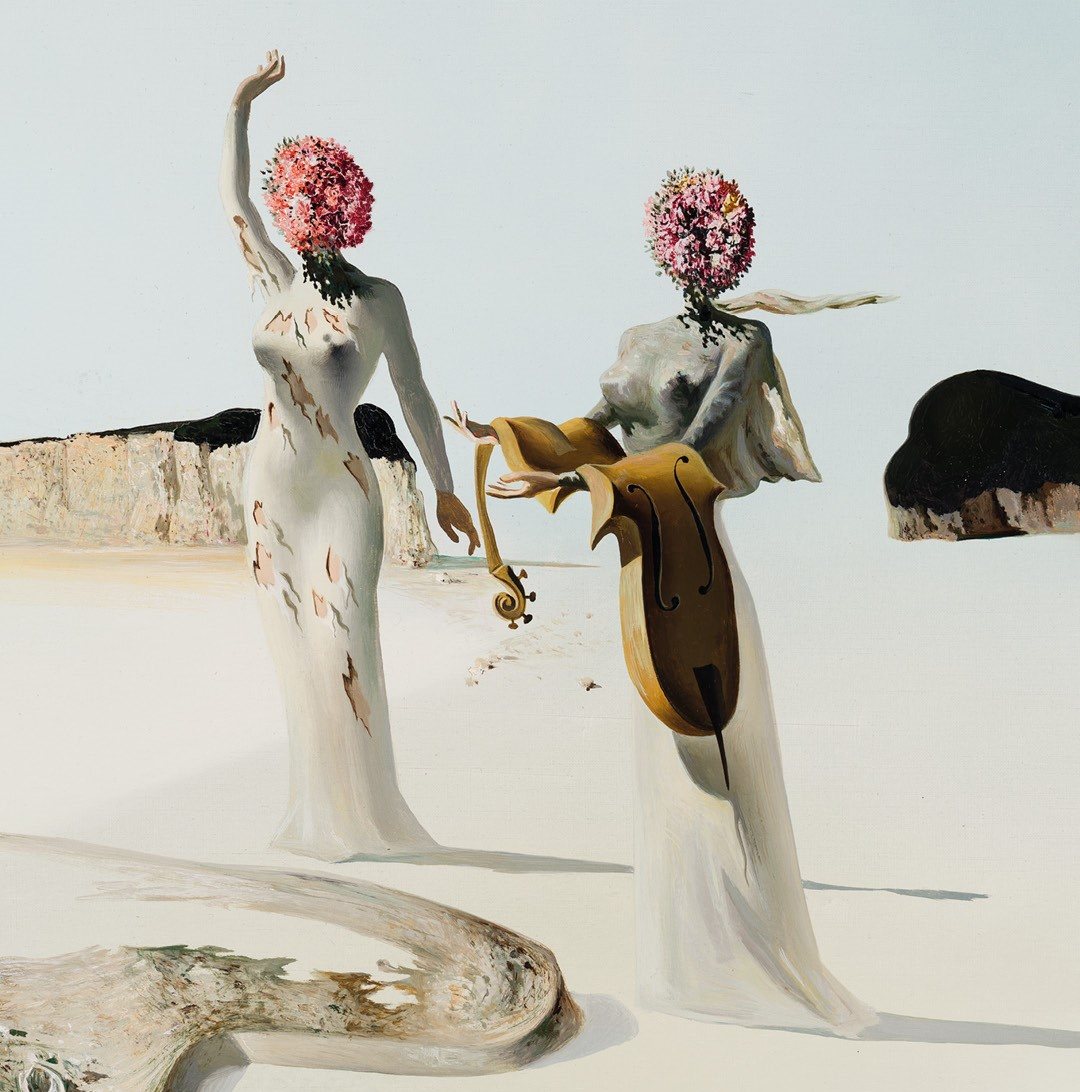
The selected works widen the field beyond clothing, including Three young surrealist women holding in their arms the skins of an orchestra (1936), The Spectre of Sex-Appeal (circa 1934) and The Eye of Time (1949). Bodies, objects and desire move across media.
The exhibition's strongest question is therefore not whether fashion can qualify as art. It is how fashion changes what a body can signify, and who gets to control that transformation. Surrealism can unsettle the familiar, but it can also become a highly saleable visual signature.
A shoe becomes a hat. A person becomes an image. Neither transformation is innocent, and neither is merely decorative.