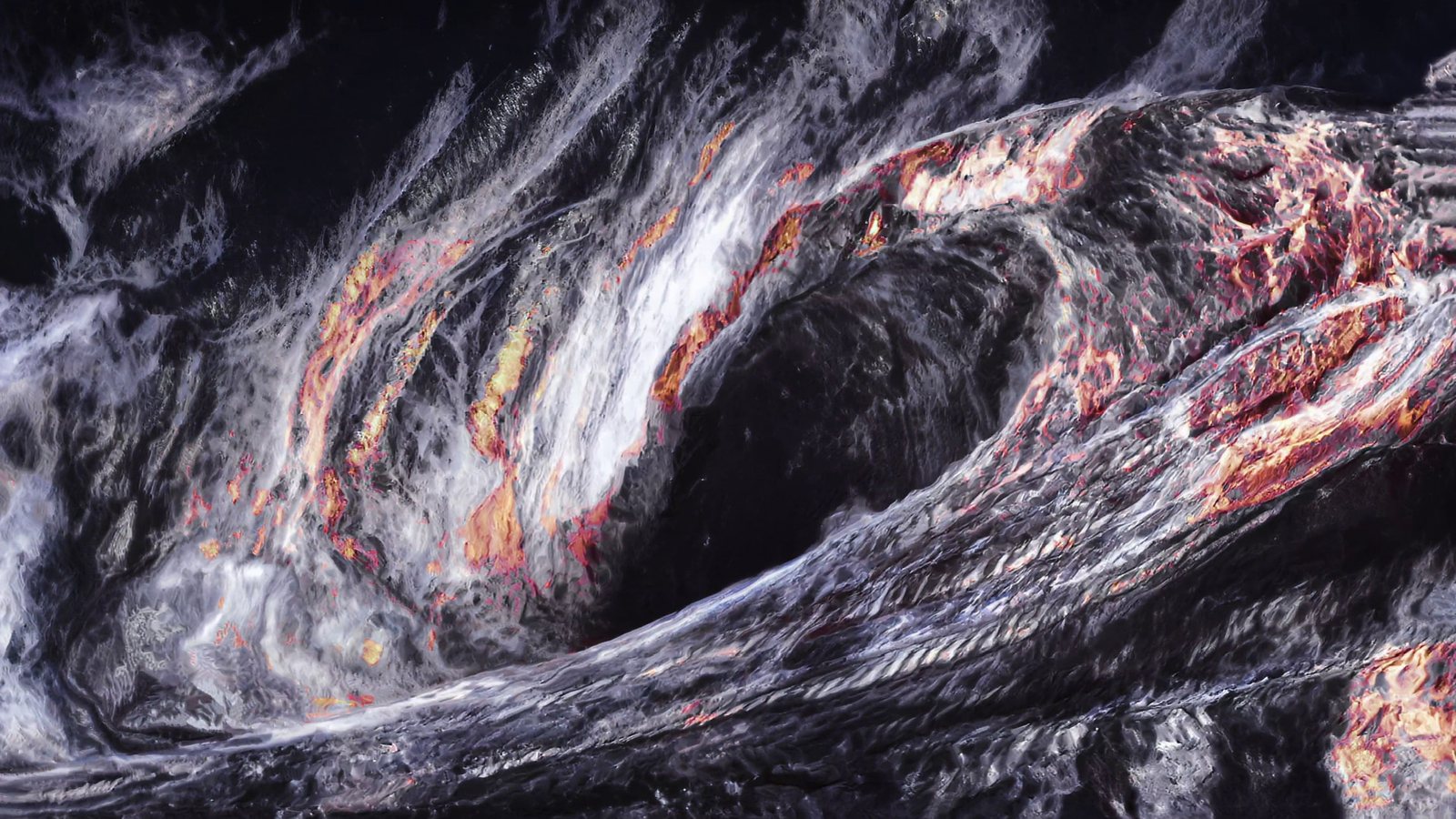
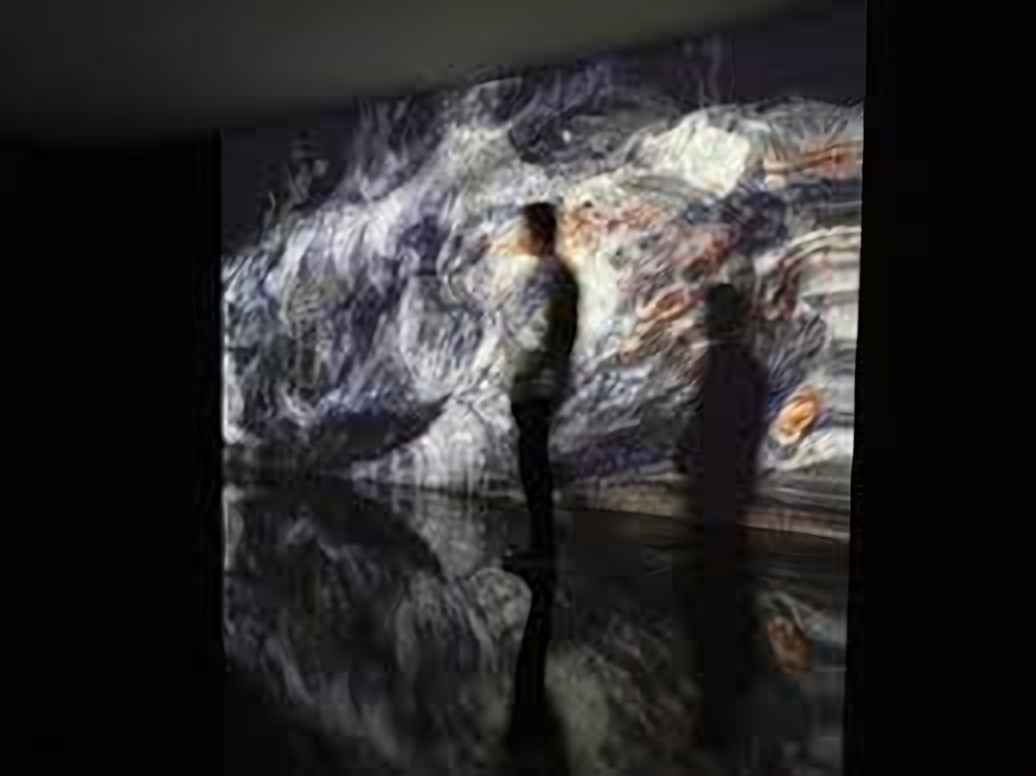
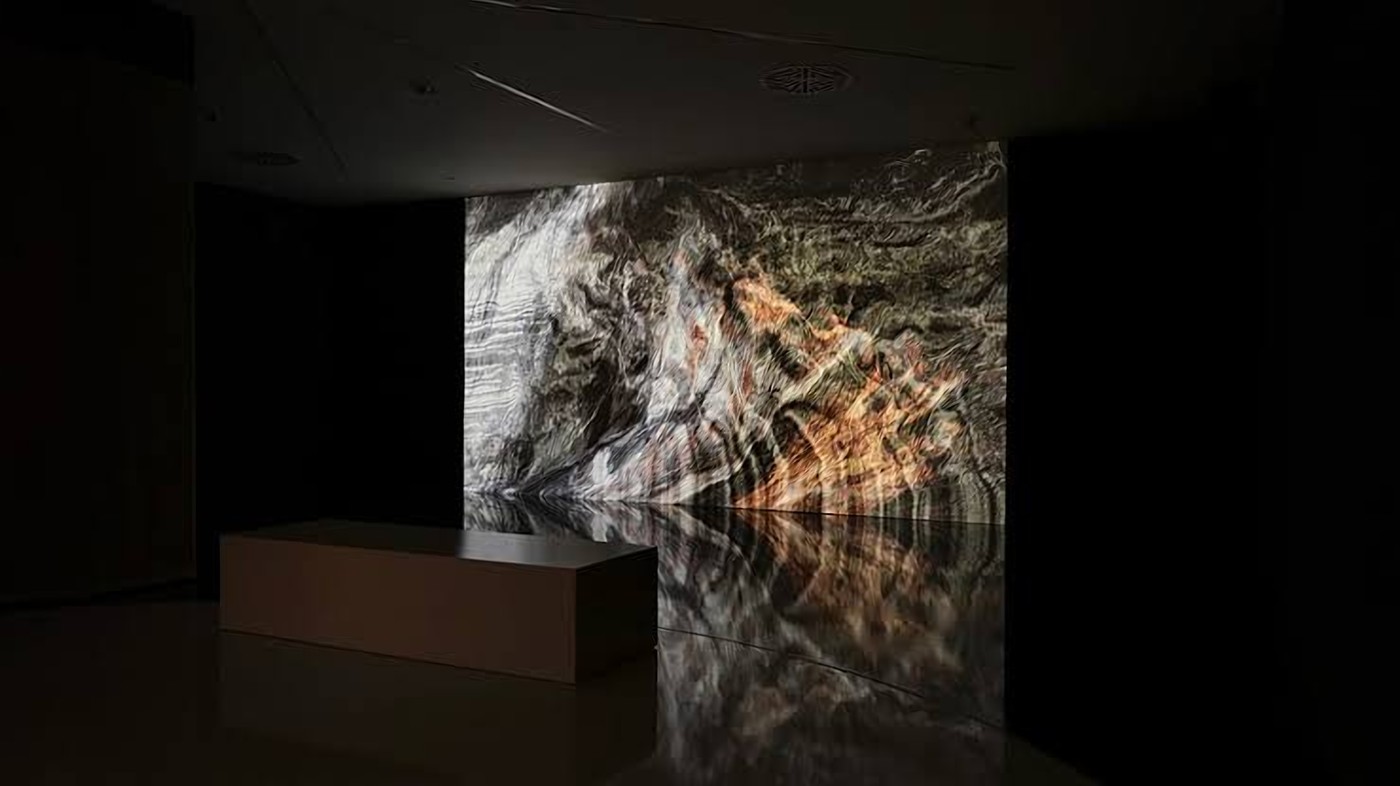
Every age gets the ghosts it deserves. Ours, according to Borusan Contemporary, live in data flows and invisible networks. Haunted, a collection exhibition curated by Dr. Kumru Eren, runs from September 19, 2026 to August 15, 2027, and it starts not with a machine but with a myth.
On the road to Thebes, the Sphinx asks Oedipus a riddle about what walks on four legs, then two, then three. His answer — the human — saves the city and, as the curatorial text puts it, points toward one of the founding ideas of Western thought: the human at the centre, the measure of truth. Haunted proposes that the riddle is back, but the one asking has changed. Today it is posed by algorithms and artificial intelligence.
The exhibition brings together works from the Borusan Contemporary Art Collection by Daniel Canogar, DRIFT, Kemal Önsoy, Marco Brambilla, Memo Akten, Quayola, Rafael Lozano-Hemmer, teamLab and Zimoun. That is close to a who's who of media art, spanning code, kinetic sculpture, sound and generated image. The institution describes the selection as shaped through sound, movement, light and data, offering a human-centred perspective on the brief history of what it calls posthuman aesthetics.
The curatorial text leans on two writers. From T.S. Eliot's Four Quartets, the idea that past, present and future reverberate inside one another. From Jacques Derrida, the notion that a ghost is not only what returns but also what has not yet arrived. Put those together and you get the show's best idea: we are haunted not just by history, but by futures that technology keeps promising and not quite delivering.
Borusan frames the works as converging in a field of tension — the uncanny and transcendence, image and trace, absence and presence. That is a lot of abstraction for one sentence, and the exhibition's text does not assign those tensions to individual pieces. Nor will we. What can be said is that a collection which holds this many artists working with data, motion and light becomes, by default, an archive of how our ideas of the machine have changed.
There is also something fitting about the setting. The museum's building is known as Perili Köşk — literally the haunted mansion — which makes a show called Haunted feel less like a theme and more like a confession.
Twenty-five centuries after Thebes, the curatorial text argues, the riddle still waits for an answer. Perhaps that is the right place to leave it. The ghost is not what comes back. It is what has not arrived yet, and is already changing the room.