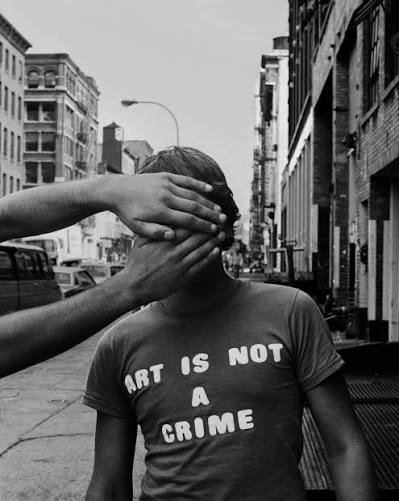
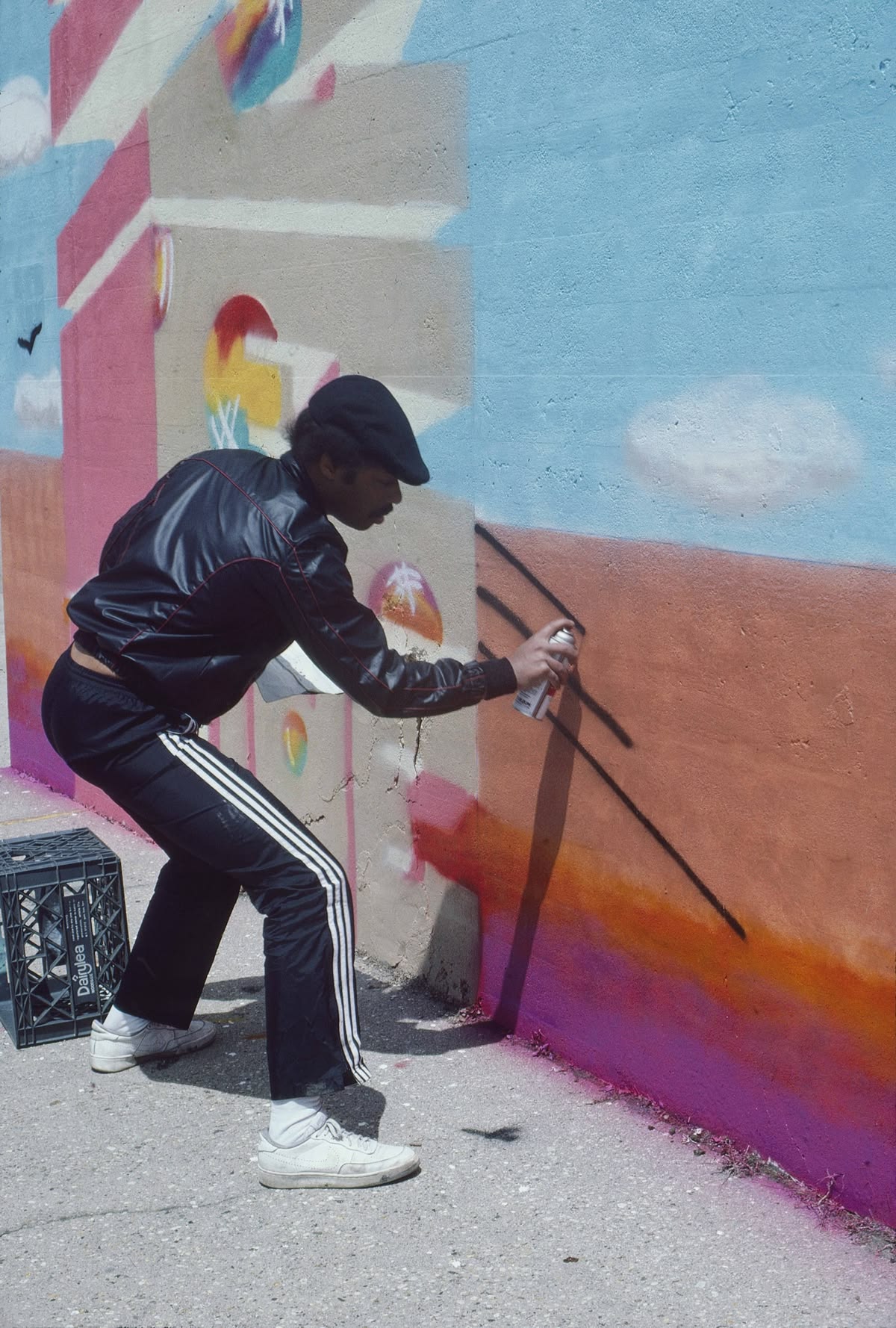
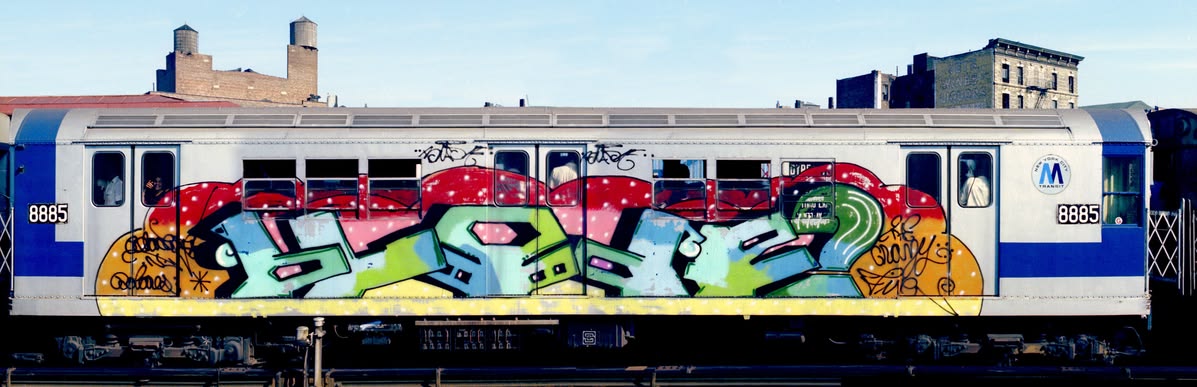
A painted subway train was not going to wait for the photographer. It could move, disappear into the network or be cleaned before the next opportunity arrived. Henry Chalfant's photographs emerged from that unstable timetable. At STRAAT Museum, ART IS NOT A CRIME. Henry Chalfant: Capturing graffiti culture, NYC, 1977–1987 makes the work of recording those trains part of the exhibition itself.
Chalfant arrived in New York as a sculptor during the 1970s and began photographing painted subway cars. According to the museum, writers left messages on his answering machine identifying a train's line and car. Documentation depended on communication and trust, not simply access to the right equipment. The photographer's archive was built through relationships with the people making the work.
One train, several exposures
A 35mm camera could not take in an entire train as Chalfant needed to record it. He made overlapping photographs and assembled the prints by hand. STRAAT translates that procedure into footprints on the floor, each marking a camera exposure. It is an unusually concrete way to describe photographic labour: the finished image begins with a body moving alongside a subject.
More than 500 photographs of complete subway trains form a wall over 25 metres long. The exhibition also includes life-size reproductions, ranging from individual names to fully painted cars. Those two scales propose different ways of reading the archive. A dense photographic arrangement can reveal repetition and variation; a full-size reproduction can return attention to the physical extent of a single work.
Neither is the original train. That absence matters. Photography preserves a painted surface while changing its conditions of encounter. A work that once passed a platform becomes available for sustained inspection. The gain is substantial, but it is not neutral: stillness makes another kind of looking possible.
Rebuilding a moment of waiting
In Limited Exhibition Time, life-size painted trains appear on an LED wall, stop briefly and leave again. Replicas of the Writers' Bench at the Bronx's 149th Street–Grand Concourse station offer visitors somewhere to sit. These devices acknowledge something a photographic archive can otherwise obscure: graffiti was encountered through movement, delay and the possibility of missing it.
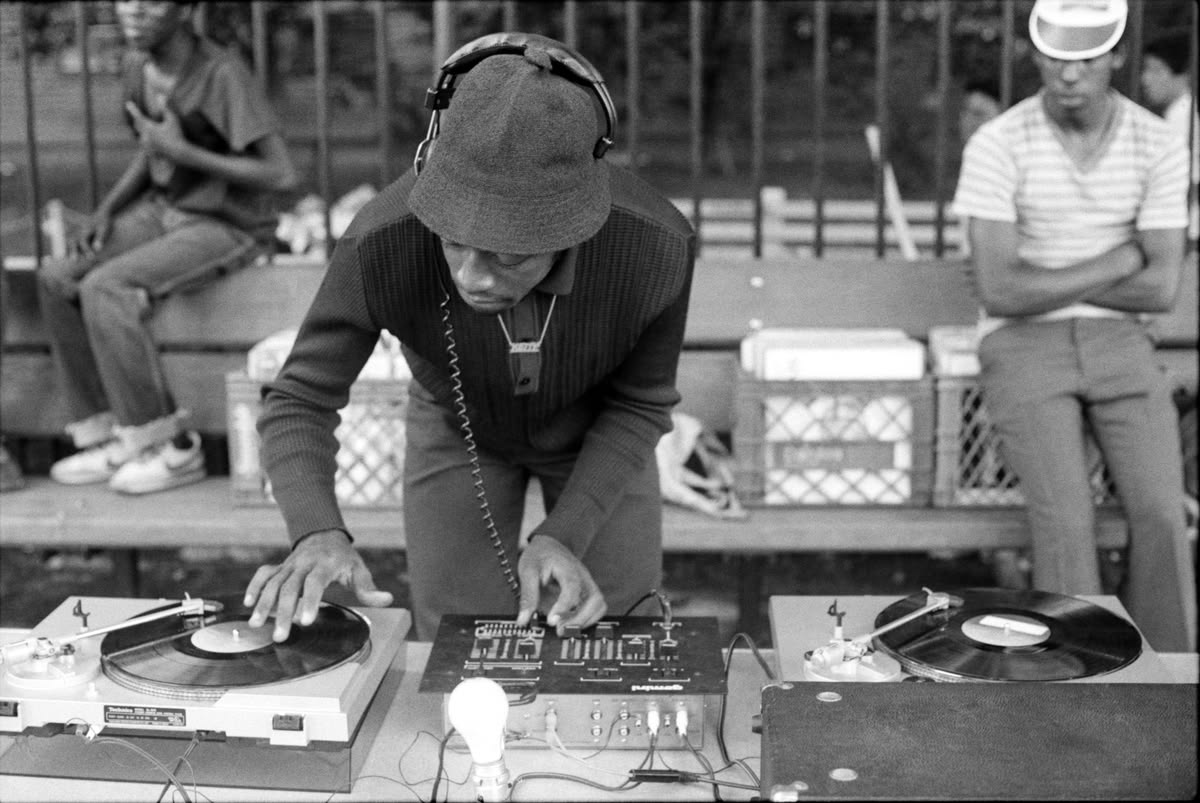
The exhibition also includes a boombox playing DJ Red Alert radio recordings that Chalfant made and kept, alongside sketchbooks, flyers, newspaper cuttings and spray cans. The point is not that these objects provide a complete reconstruction of a decade. They make visible some of the media through which people exchanged information before online distribution became routine.
Chalfant's collaborative publications and films belong to that history. He made Style Wars with Tony Silver in 1983, Subway Art with Martha Cooper in 1984, and Spraycan Art with James Prigoff in 1987. Keeping those collaborators in view matters: an archive associated with one name can still be the product of several kinds of authorship.
Amsterdam was already looking
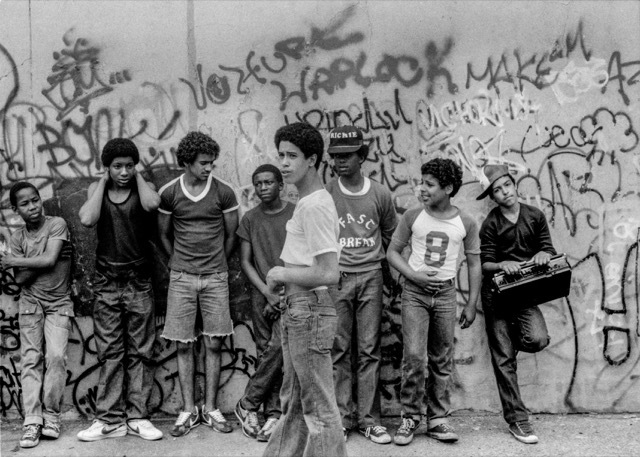
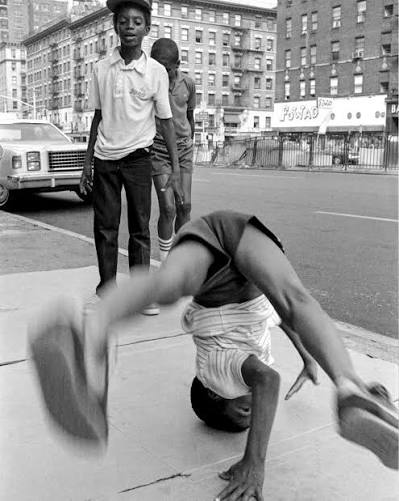
A section called Henry's Gaze contains 300 photographs, most previously unpublished, encompassing Europe as well as New York. Some retain Chalfant's handwritten identifications and location notes. These annotations connect the image to the task of remembering who was present and where an encounter happened.
Amsterdam has its own place in this circulation. Chalfant exhibited at the city's Yaki Kornblit gallery in 1984. STRAAT recounts how local teenagers photographed that exhibition, then copied and shared the images. Photographs of photographs became another distribution system. Guest curator Dutch Graffiti Library examines that first Dutch reception and the responses of an emerging generation of writers.
Curated by SUSO33, ART IS NOT A CRIME therefore concerns more than the rescue of vanished paintings. It follows the means by which images travelled and acquired new audiences. Chalfant's camera did not make graffiti significant. It helped its significance travel. The distinction keeps the writers in the picture — and stops the archive from claiming to be the origin of what it preserves.