A KAWS figure is never really in a landscape. It interrupts it. The rounded limbs, the cartoon proportions, the crossed-out eyes: everything about these characters belongs to the world of toys, screens and street posters, not hedges and lawns. That is exactly why the plan announced by the New York Botanical Garden is so intriguing. Next year, one of the most recognisable artificial figures in contemporary art is coming to a 250-acre garden built on living things.
What is confirmed
The facts so far are straightforward. KAWS will run at the New York Botanical Garden from May 22 to October 24, 2027. The garden says it will present more than two dozen sculptures across its grounds, including newly commissioned works and pieces never before exhibited in North America. It describes the project as the largest presentation of the artist's work to date. The individual works and their exact locations have not yet been announced, so everything that follows about how they might sit in the garden is our interpretation, not a description of finished installations.
From bus shelters to bronze
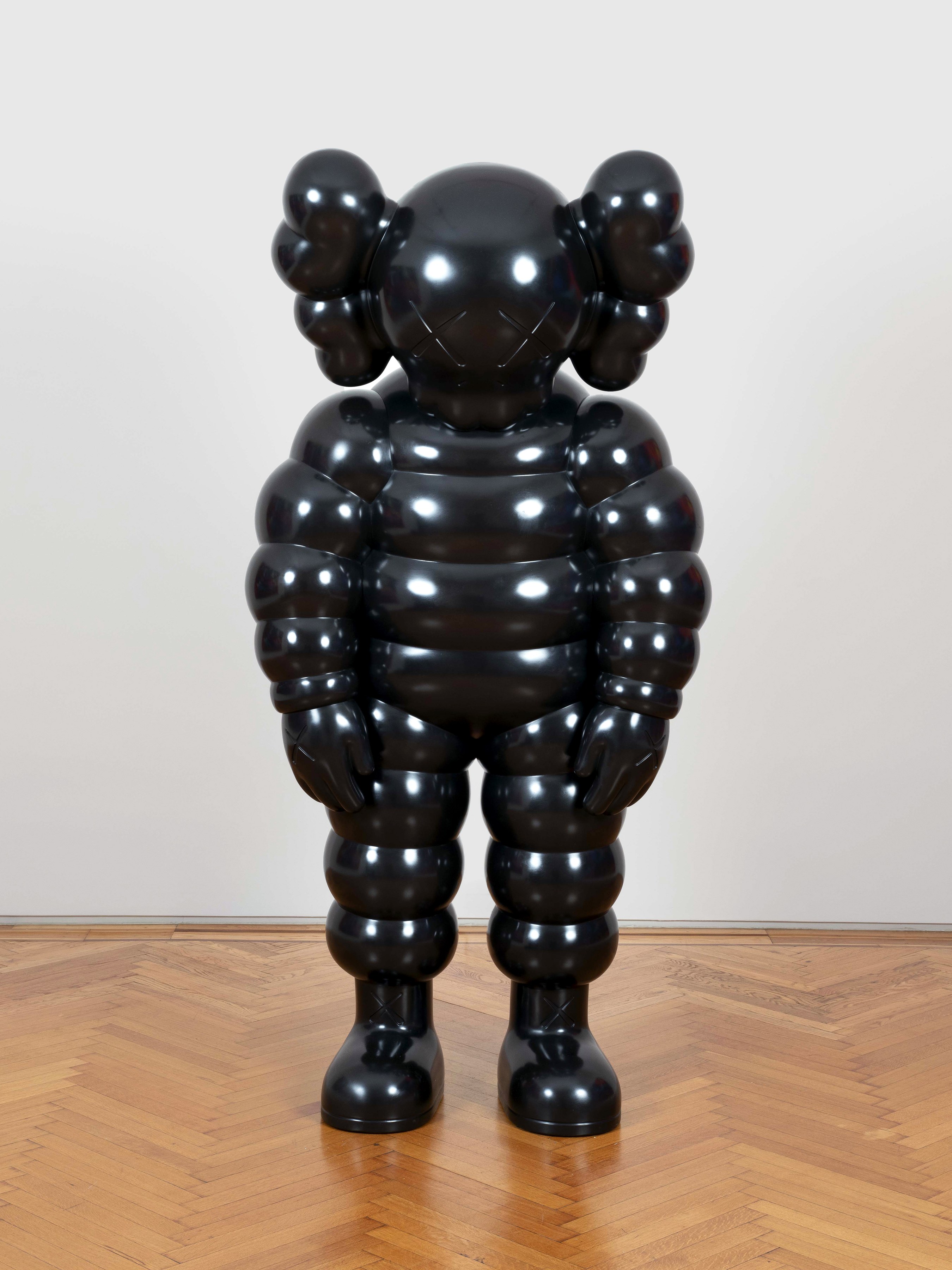
The scale of the plan makes sense only against where KAWS began. Brian Donnelly built his early reputation in the street, painting over advertising posters in bus shelters and phone booths and inserting his own characters into the glossy faces of commercial campaigns. It was an act of quiet sabotage: using the public image system against itself. The skull-and-crossbones head and the X-ed out eyes became a signature precisely because they could survive being seen for a second from a passing car.
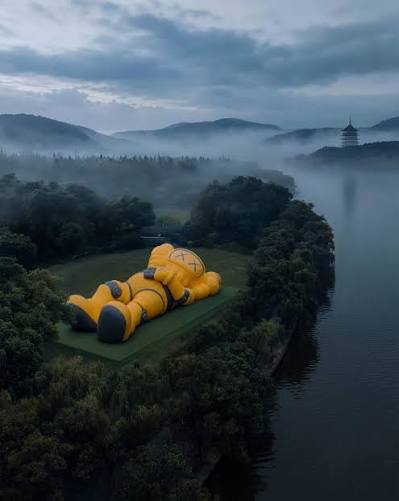
From there, the characters moved into collectable vinyl figures, then into paintings and finally into monumental sculpture. The trajectory is often told as a story about commerce, and it is partly that. But it is also a story about scale as an argument. A figure you can hold in your hand is a possession. The same figure several metres tall, seated on a lawn, becomes something closer to a public monument, and asks why monuments have always been reserved for generals and saints.
Melancholy in cartoon form
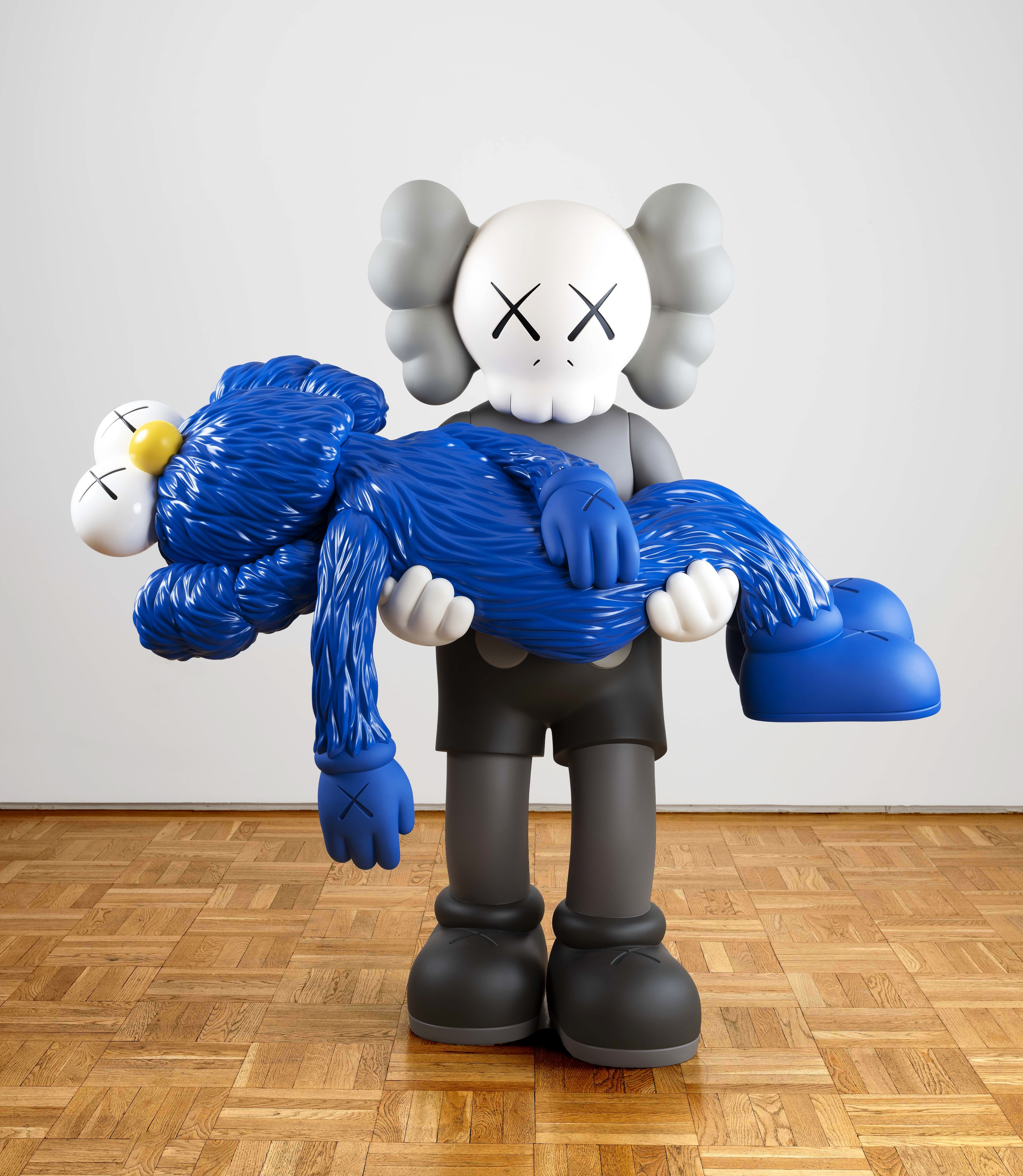
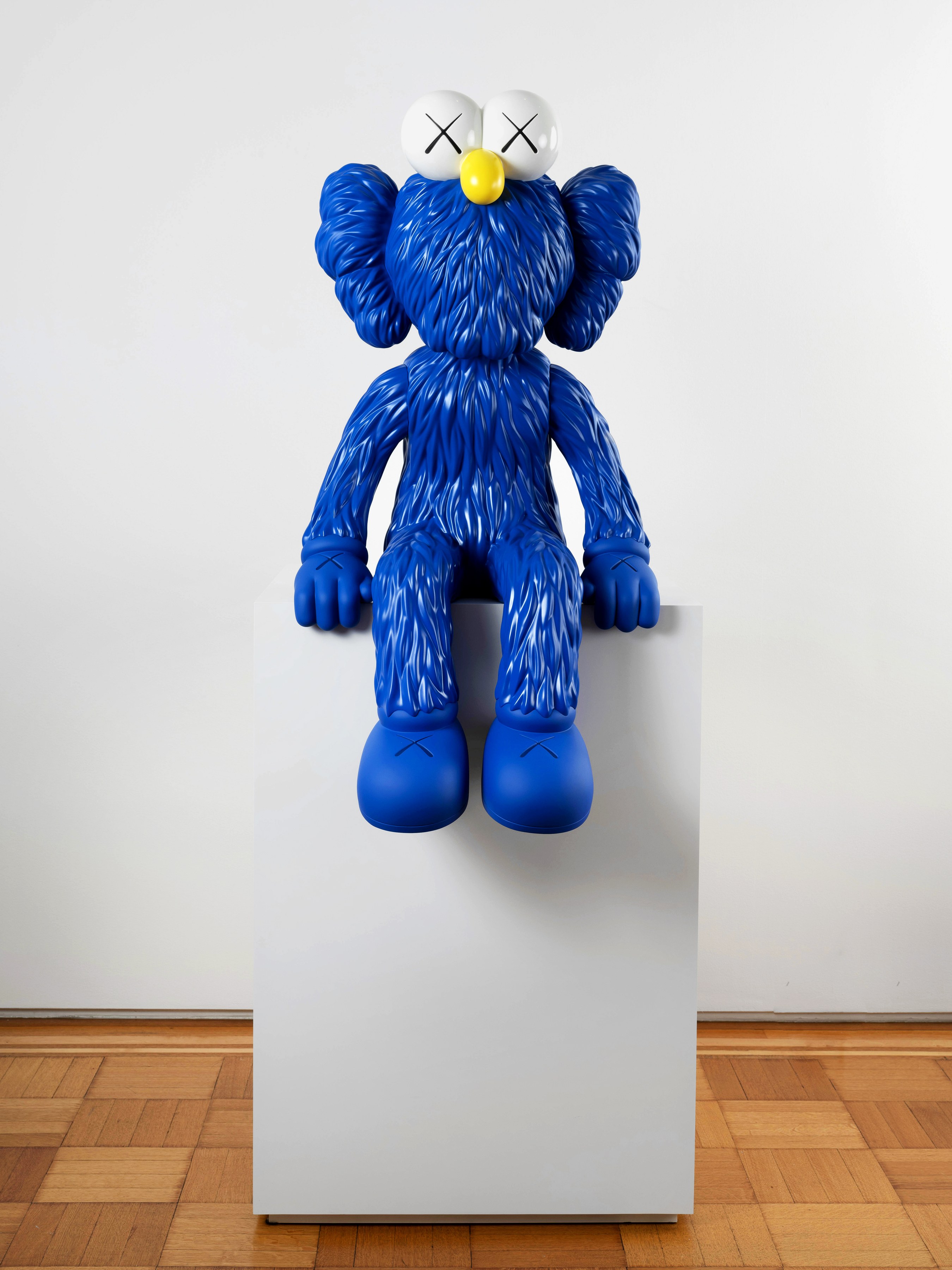
The surprising emotional register of KAWS sculpture is sadness. Works such as GONE, from 2018, show one character carrying another limp body. In SEEING and WATCHING, also from 2018 and shown in New York that year, the figures sit with an introspective, almost tired weight. The garden's own preview image shows a large seated figure with its hands over its face. The bodies are borrowed from cartoons, but the postures belong to grief, shyness and exhaustion. That tension is what saves the work from being merely cute.
We should be clear: these earlier works are shown here as context for the artist's sculptural language. They are not confirmed for the 2027 exhibition.
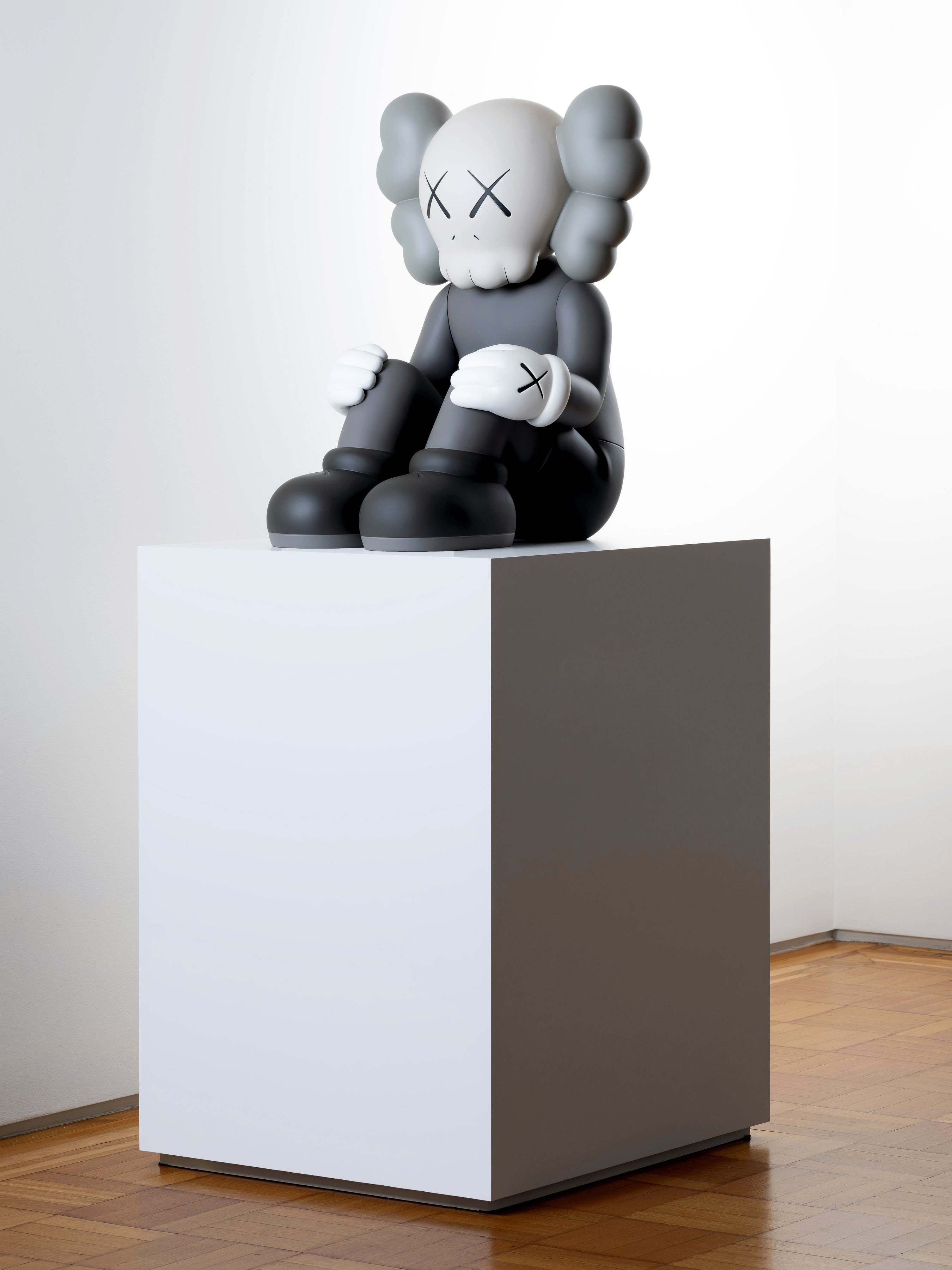
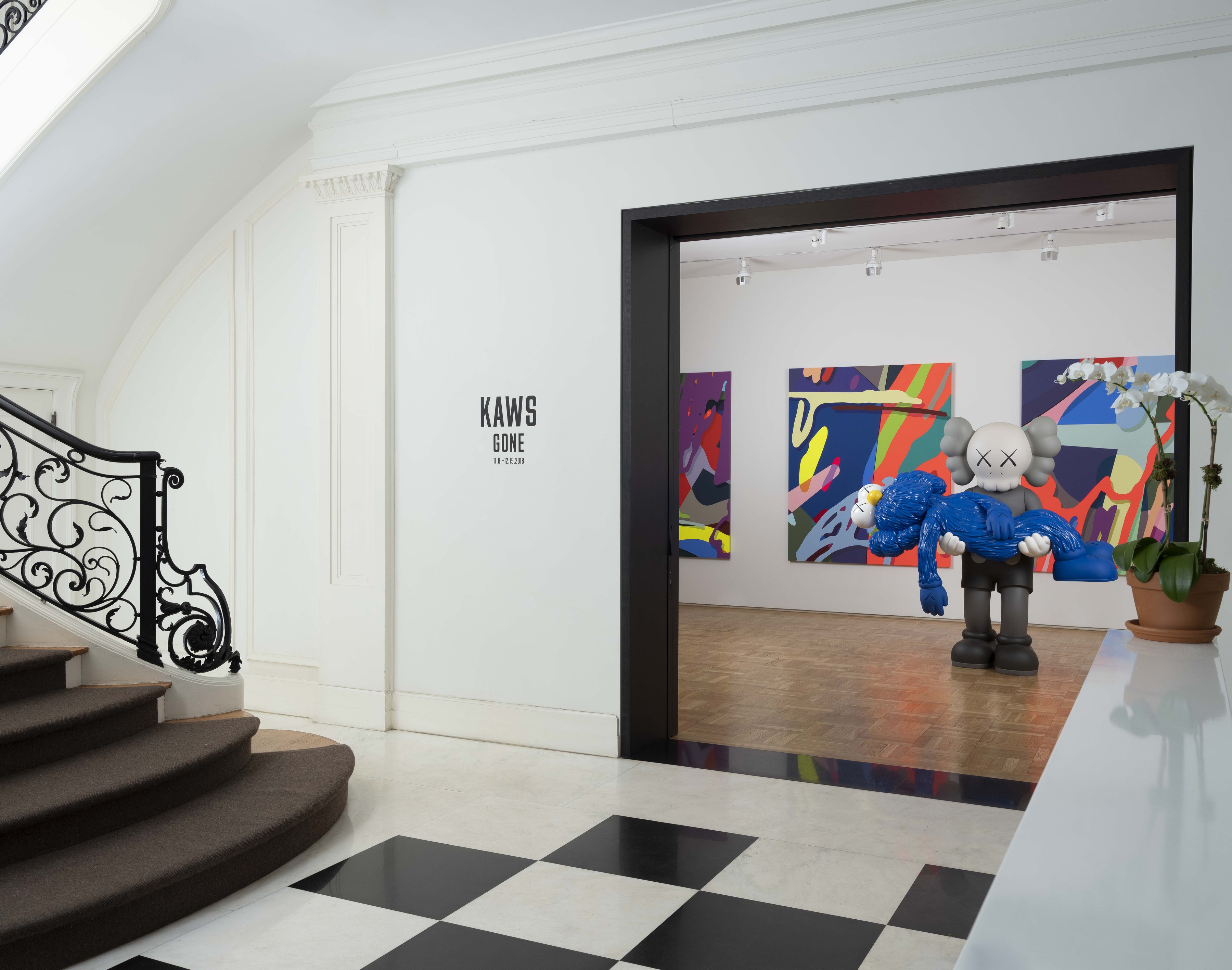
Artifice in the garden
A botanical garden is already a constructed nature, cultivated, labelled and composed. Placing KAWS figures inside it could sharpen that fact rather than disguise it. The figures do not change with the seasons; the garden does. A sculpture installed in May will look different by late October, framed by different colour, light and growth around it. For an artist whose characters began as interruptions in the city's advertising, that slow, living backdrop may be the most unexpected setting yet.
The other promise is public access in the oldest sense. People who would never walk into a gallery will walk past these sculptures on the way to see roses. That has always been the KAWS method: meet the audience where it already is, then give it something it did not expect to feel.
KAWS runs at the New York Botanical Garden, Bronx, from May 22 to October 24, 2027. Visit the official exhibition page.