Neon was the original influencer. For most of the twentieth century it existed to make you look, then make you buy. Diners, motels, liquor stores, theatres: the glow was a sales pitch. Then, around the turn of the millennium, LED arrived — cheaper, cooler, more efficient — and the hand-bent tube began to disappear from the street.
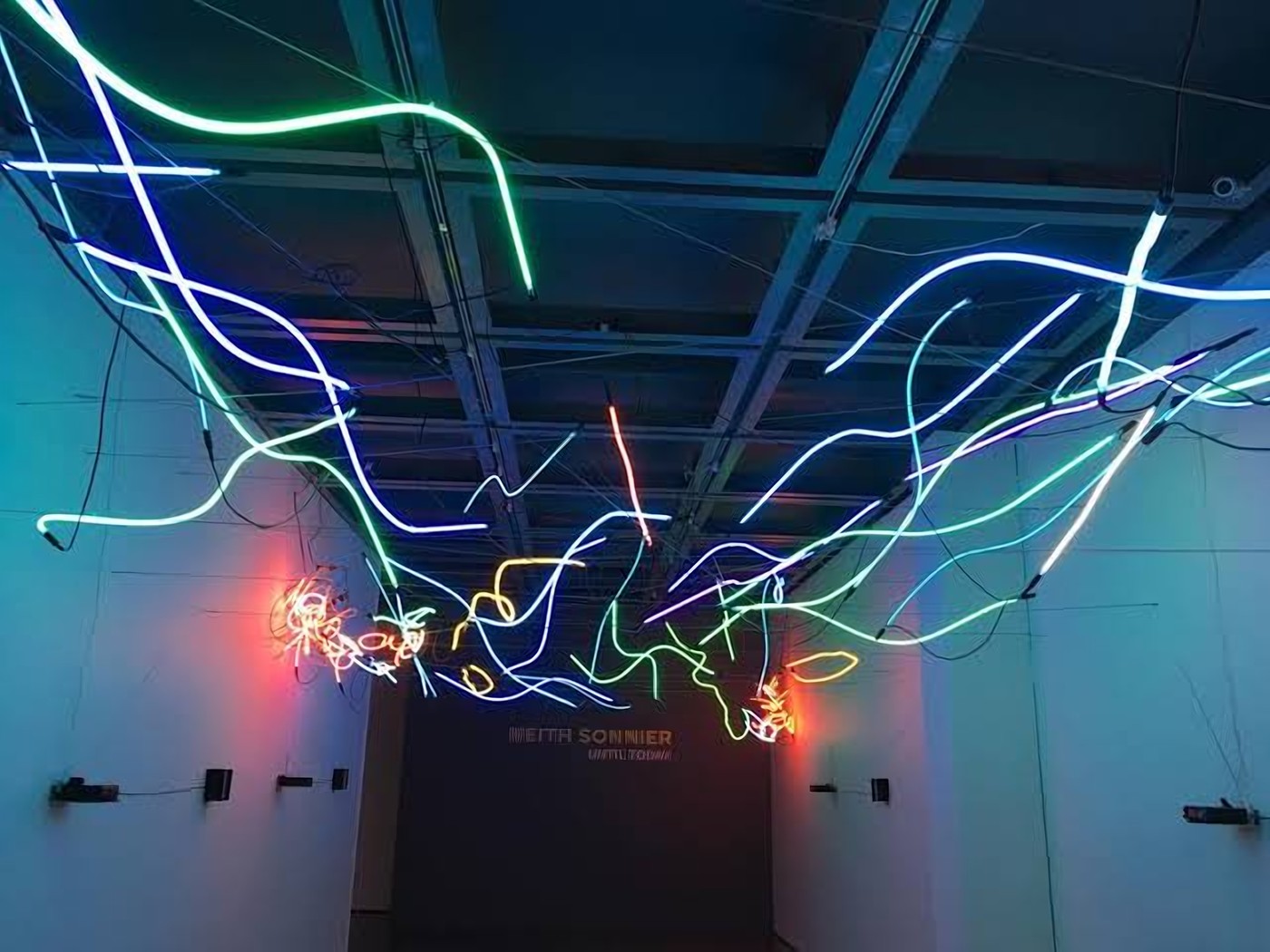
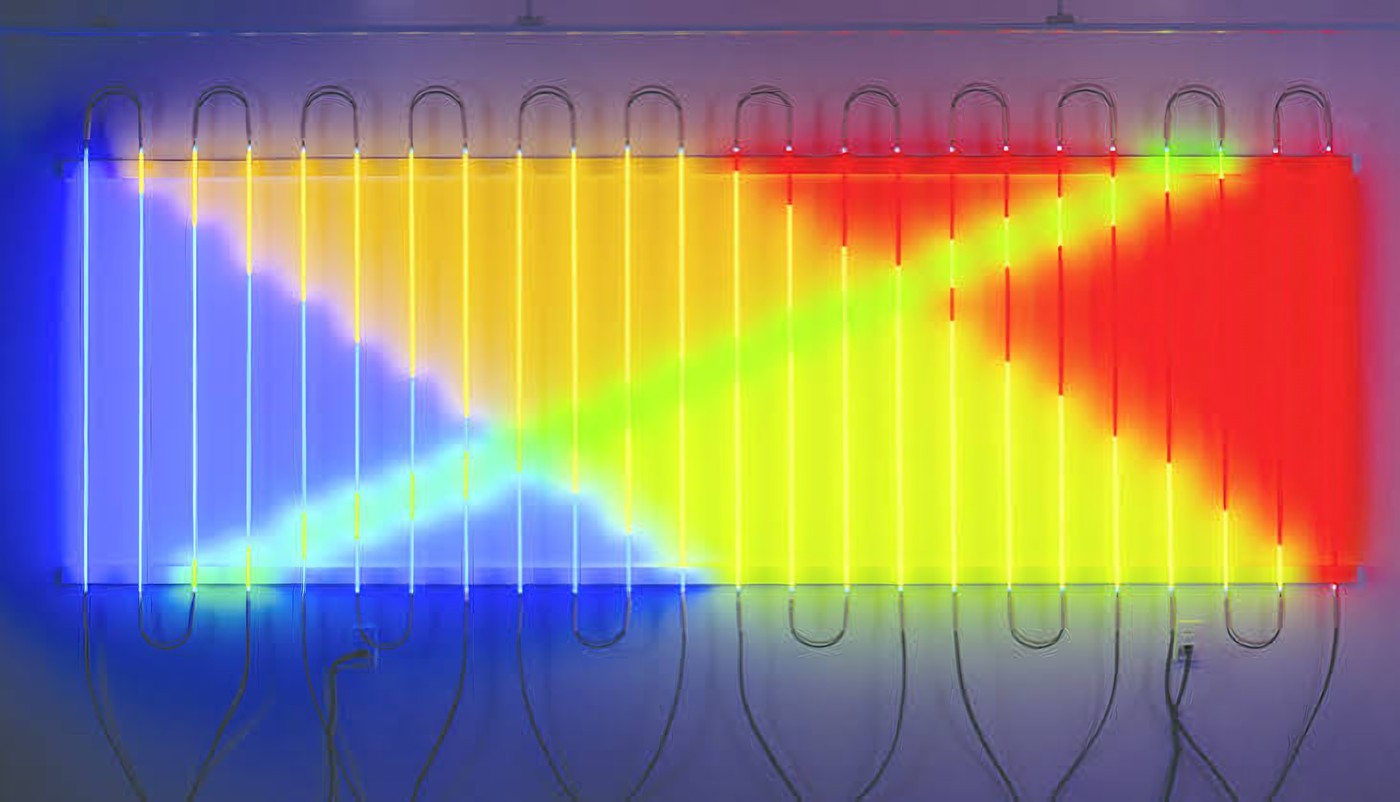
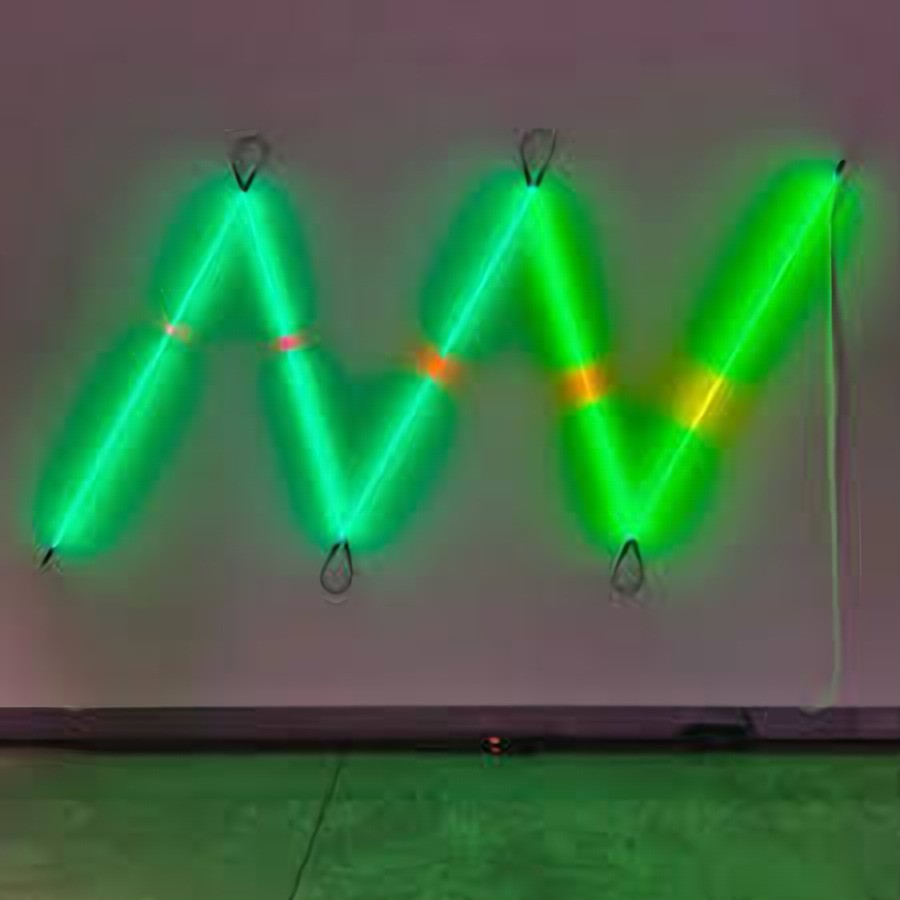
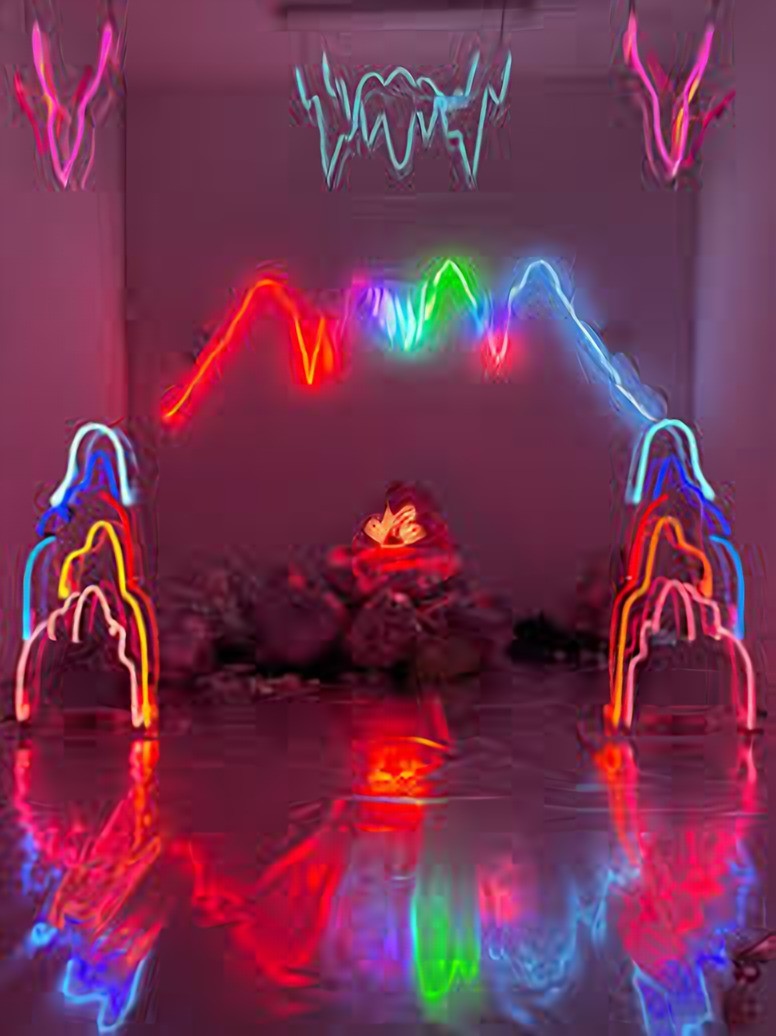
Neon Canada: The Art of Electrified Glass at the Canadian Clay & Glass Gallery is a stubborn rebuttal. It brings together Dick Averns, Robin Clason, Coley, Thrush Holmes, Kelly Mark, Roda Medhat, Will Munro and Orest Tataryn — artists who, in the gallery's words, are re-engaging with traditional neon not only for its look but for its relationship with history.
The gallery's framing is sharp. Neon became an artistic medium in the 1960s, when artists repurposed its commercial power to carry their own messages, often running against capitalist themes. In other words, art took the language of advertising and turned it into a voice for dissent. That is a very VANDAL kind of story: the tools of the street, redirected.
The exhibition notes a local casualty to make the decline concrete: even the Schneider's sign along Highway 401 swapped its hand-bent neon for LED. Anyone who grew up with those signs knows what was lost. Not just colour, but the subtle hum and flicker the gallery describes — a sensory quality newer technology has never quite matched. The hum is the point. LED never learned to sing.
What makes neon radical now is precisely its inefficiency. Many of these artists bend their own tubes or work closely with specialised fabricators, keeping a skilled, dangerous craft alive while the industry around it shrinks. In a culture that treats everything as replaceable, choosing a medium that requires heat, gas, glass and patience is a statement before the light is even switched on.
The show also screens The Outlaw Neon, a short documentary produced by Collective City about a guerrilla neon art group, featuring co-founders Orest Tataryn and Alfred Engerer. Guerrilla and neon are not words you expect to see together, which is exactly why the pairing works: the medium of the strip mall becomes the medium of the unsanctioned.
Commercial neon wanted you to stop and spend. Art neon wants you to stop and think. The glass is the same; the intention has changed. Neon Canada makes the case that the medium did not die. It just stopped working for the people selling things, and started working for the people saying them.