EXHIBITED — MUSEUM OF THE CITY OF NEW YORK
THE PHOTOGRAPHY TRIENNIAL / AFTER DARK
NEW YORK DOESN'T SLEEP. IT CREATES.
Daylight New York is a city of schedules. It commutes, it queues, it bills by the hour. After dark it becomes something less accountable: a city of doors you only find if someone takes you, rooms that exist for one night, sidewalks that turn into runways at three in the morning. Anyone who has walked home through it knows the feeling. The rules have not disappeared, but they have loosened enough for people to try on another version of themselves.
The Photography Triennial: After Dark at the Museum of the City of New York is built around that loosening. The second edition of the museum's triennial, following New York Now: Home in 2023, it is co-curated by Marina Chao and Sean Corcoran, the museum's Senior Curator of Prints and Photography. The subject is the city's nightlife across all five boroughs: nightfall as a realm of possibility, mystery and freedom.
Work, play and the space between
The most useful idea in the museum's framing is also the least glamorous. The exhibition looks at where work and commerce intersect with leisure, entertainment and social gathering. That is the honest truth of the New York night. For every person dancing, someone is pouring the drinks, working the door, driving the cab, cleaning the floor or cooking until dawn. The party is also a workplace. A club is an economy as much as a sanctuary.
Photography is uniquely placed to hold both at once. A single frame can contain the dancer and the bartender, the celebration and the labour that makes it possible. The museum adds work, leisure, ambition, community and escape to the list of themes, and the overlap among them is where the most interesting images tend to live.
The photographers
The museum names more than thirty participating artists, among them Janette Beckman, Dina Litovsky, Kia LaBeija, Landon Nordeman, Reuben Radding, Ken Schles, Lynn Saville, Matthew Pillsbury, Tommy Kha, Elle Peréz, Melanie Einzig, Destiny Mata and Hiroyuki Ito. The range is the point. Beckman's name is bound up with the street style and music cultures she documented; LaBeija brings a practice rooted in the ballroom community and in self-portraiture; Litovsky has long trained her camera on the theatre of social life. Placed together, they suggest that there is no single New York night, only overlapping ones that occasionally share a sidewalk.
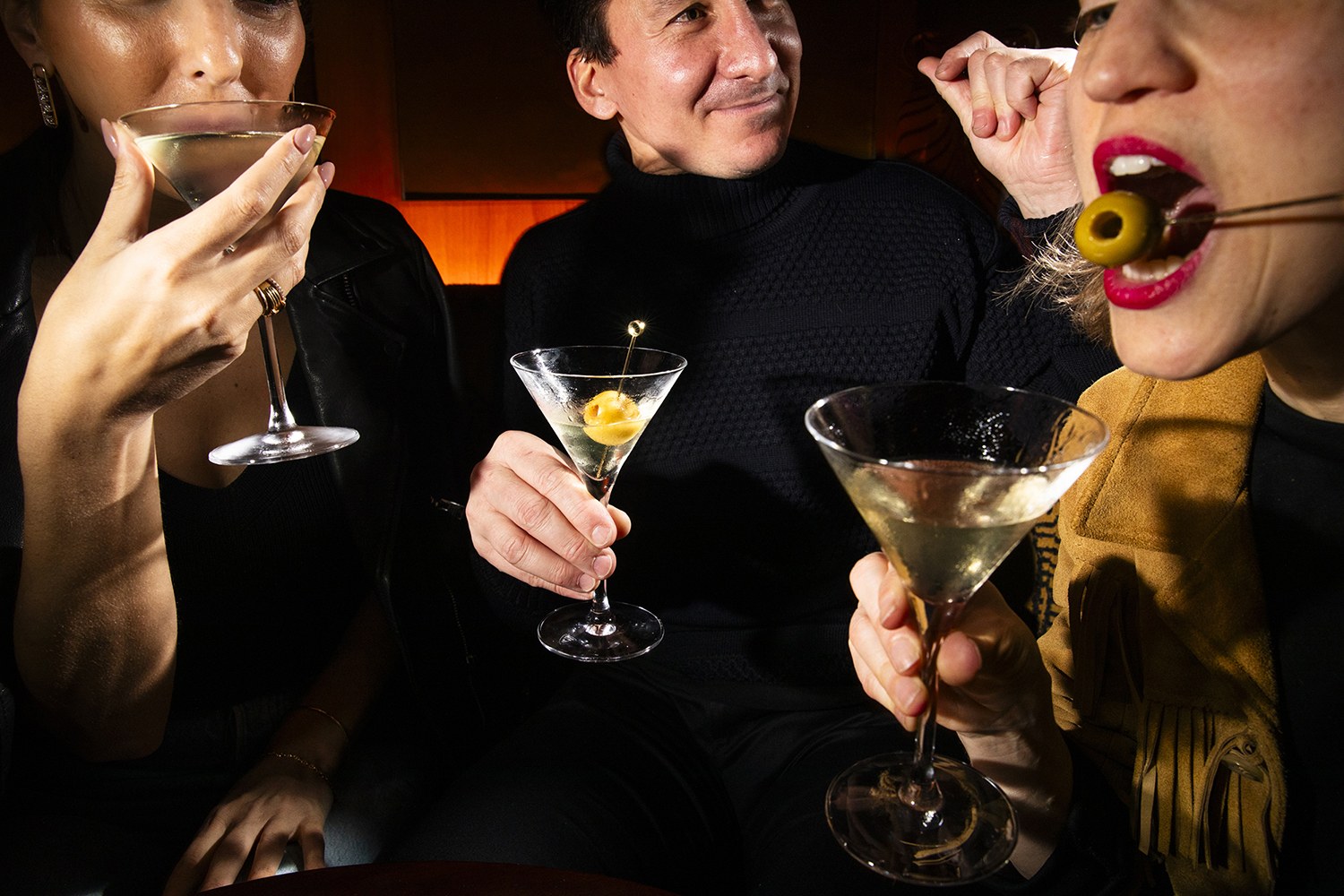
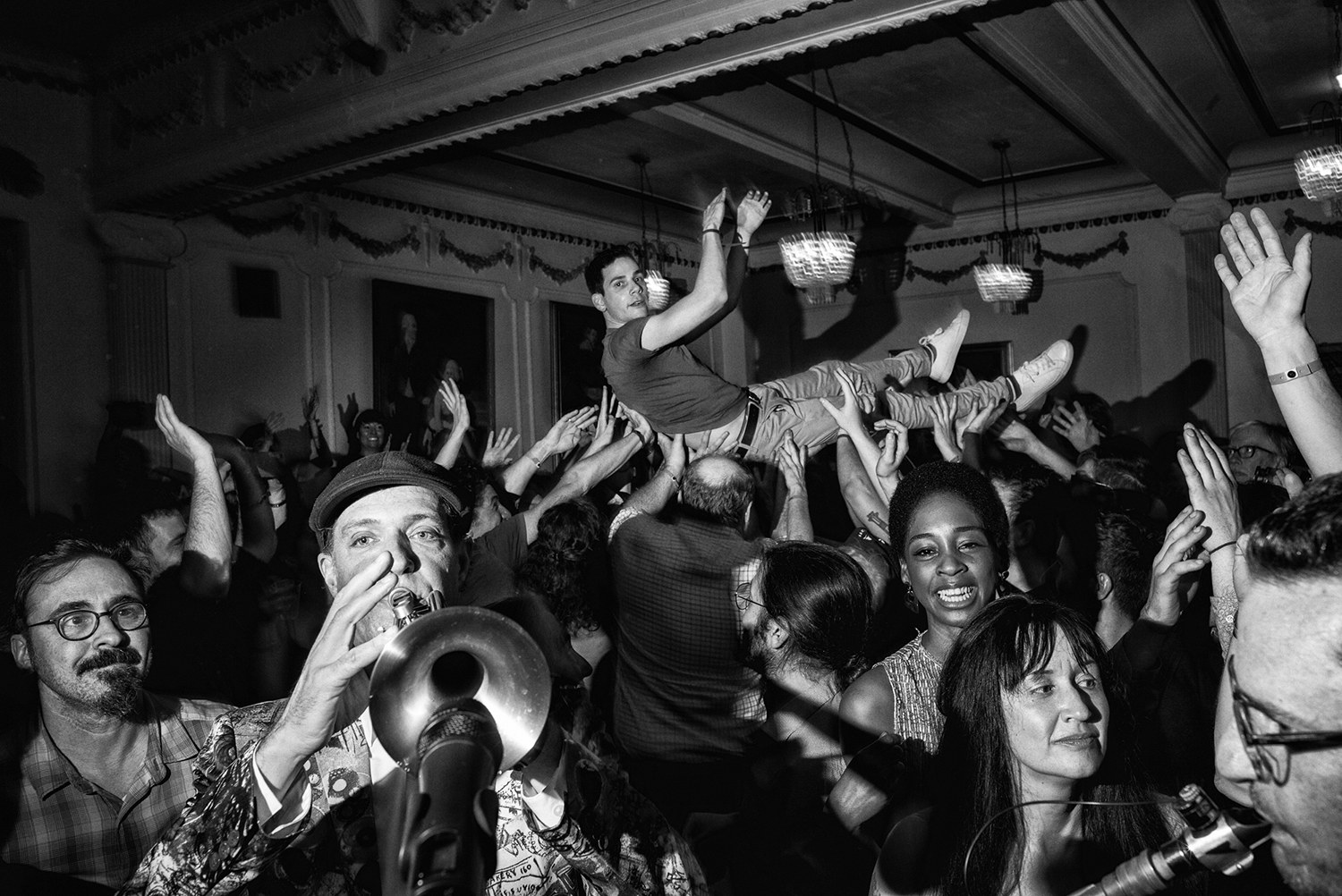
Nordeman's Three Martinis, New York City, from 2024, captures the city's appetite for ceremony: the ritual of the drink as much as the drink itself. Radding's Golden Festival, from 2020, carries a different temperature, closer to community celebration than to downtown performance. Both images understand that night photography is not really about darkness. It is about light, and who gets to stand in it.
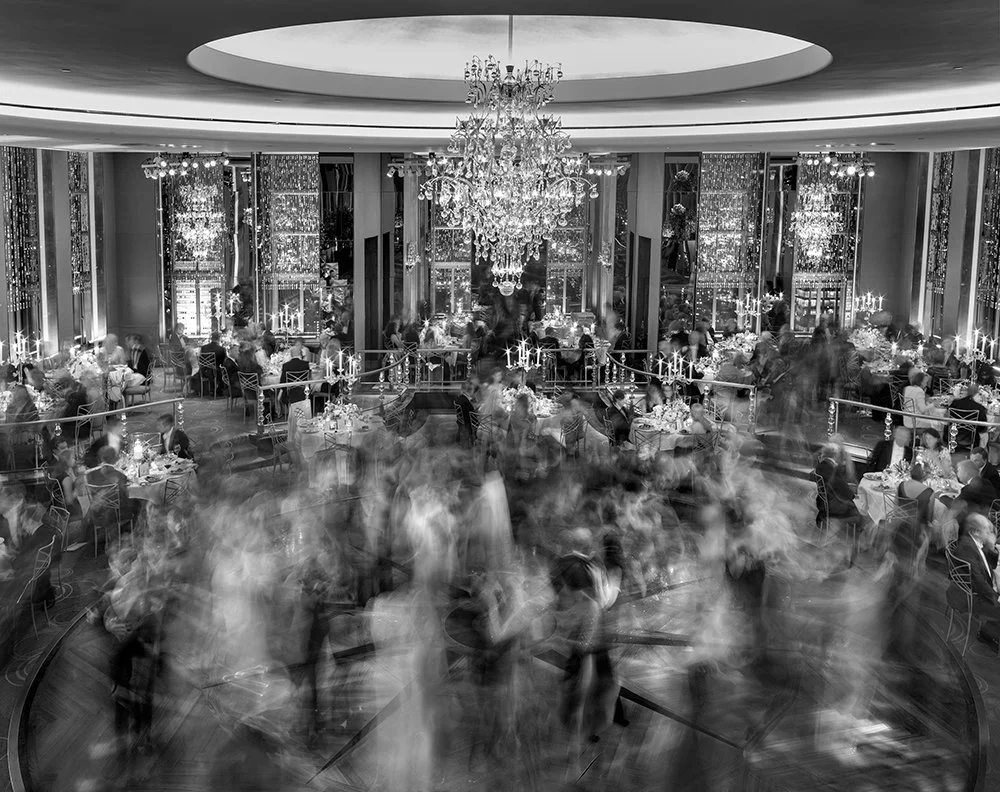
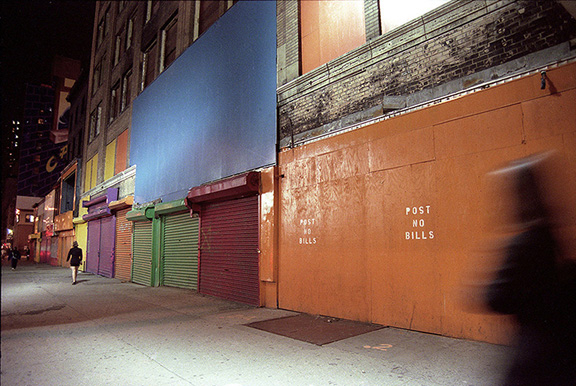
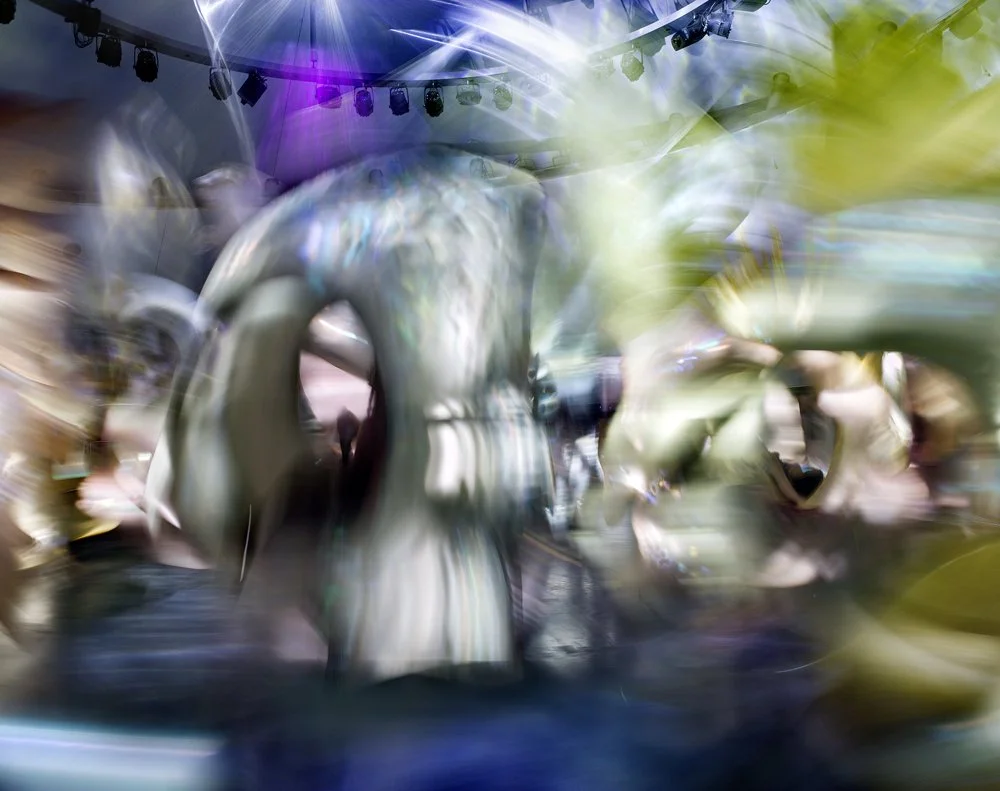
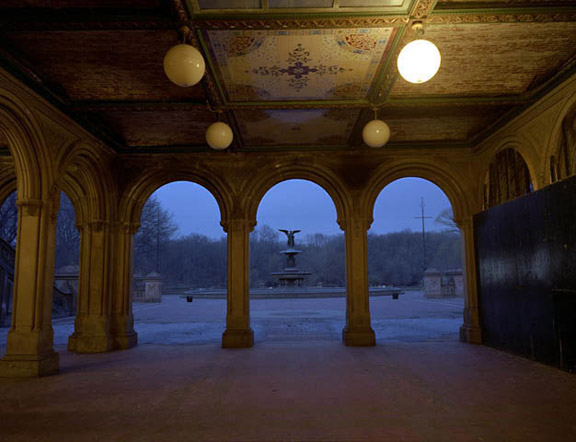
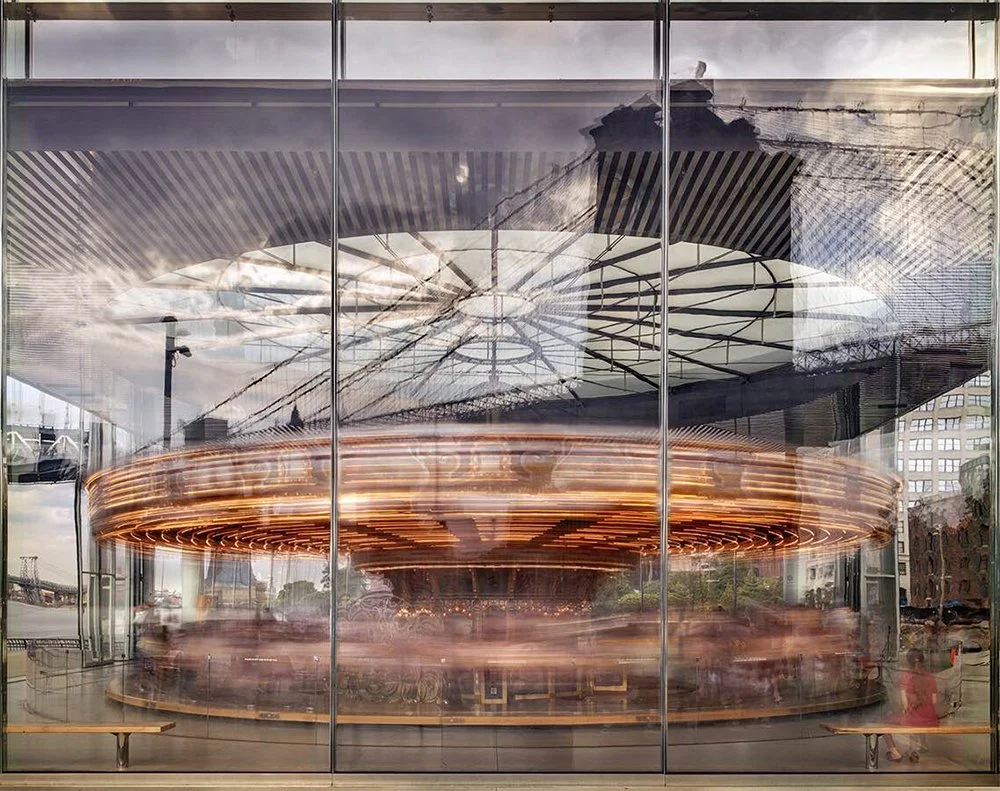
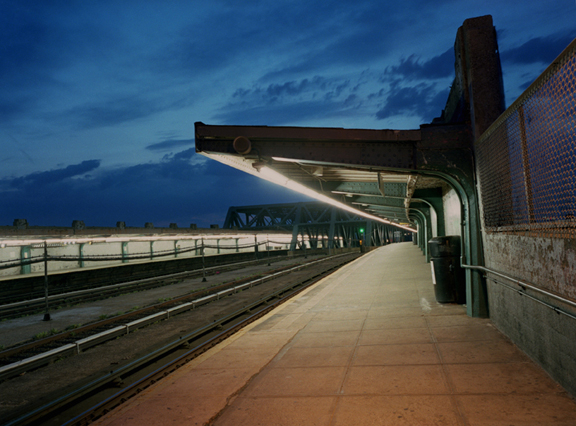
Related night photographs by exhibiting artists, shown with the two official exhibition images above.
THE FULL ROLL CALL — MORE THAN THIRTY ARTISTS ACROSS THE FIVE BOROUGHS
- Adam Pape
- Anh Nguyen
- Ashley Gilbertson
- Avion Pearce
- Charlie Hamilton James
- D’Angelo Lovell Williams
- Darryl DeAngelo Terrell
- David Johnson
- Destiny Mata
- Dina Litovsky
- DRIFT
- Elle Peréz
- Guarionex Rodriguez, Jr.
- Hiroyuki Ito
- Janette Beckman
- Kate Vitali
- Ken Schles
- Kia LaBeija
- Landon Nordeman
- Liz Deschenes
- Luis Carle
- Lynn Saville
- Mahka Eslami
- Matthew Pillsbury
- Melanie Einzig
- Michael McWeeney
- Reuben Radding
- Saint Piñero
- Susannah Ray
- Theo Wenner
- Todd Heisler
- Tomiko Jones
- Tommy Kha
Flash as a form of attention
The camera after dark has always been a little intrusive. A flash interrupts a moment, freezes a gesture, exposes a face that expected shadow. Yet that intrusion can also be a form of care. To photograph a scene at 2 a.m. is to insist that it mattered: that these rooms, these outfits, these strangers briefly becoming a crowd, are part of the city's cultural record and not just its after-hours footnote.
That is why a museum devoted to the city's history is the right home for this show. Nightlife is where New York has repeatedly incubated music, fashion and identity before the daytime world caught up. The people in these photographs were often building culture without anyone calling it that.
We will return once the exhibition opens. For now, the premise alone is worth marking in the calendar: a city portrait drawn from the hours when the city stops performing for its visitors and starts performing for itself.
The Photography Triennial: After Dark opens November 20, 2026 at the Museum of the City of New York. Visit the exhibition page.
“Night photography is not really about darkness. It is about light, and who gets to stand in it.”