BEFORE THE ALGORITHM / THE NEXT GENERATION
SKEPTA ISN'T THE THROWBACK.
Pirate radio built the foundation. SoundCloud rewrote the rules. On The Fork and Knife, Skepta makes his case for why the underground still needs its originals.
WORDS — VANDAL MAG

The underground has a strange habit of turning its pioneers into furniture. Once an artist becomes familiar enough, their presence stops being a challenge and starts being a reassurance. Skepta risks that treatment every time someone calls him a legend before discussing a record. The title is deserved. It is also a convenient way of avoiding the harder question: what is he doing now?
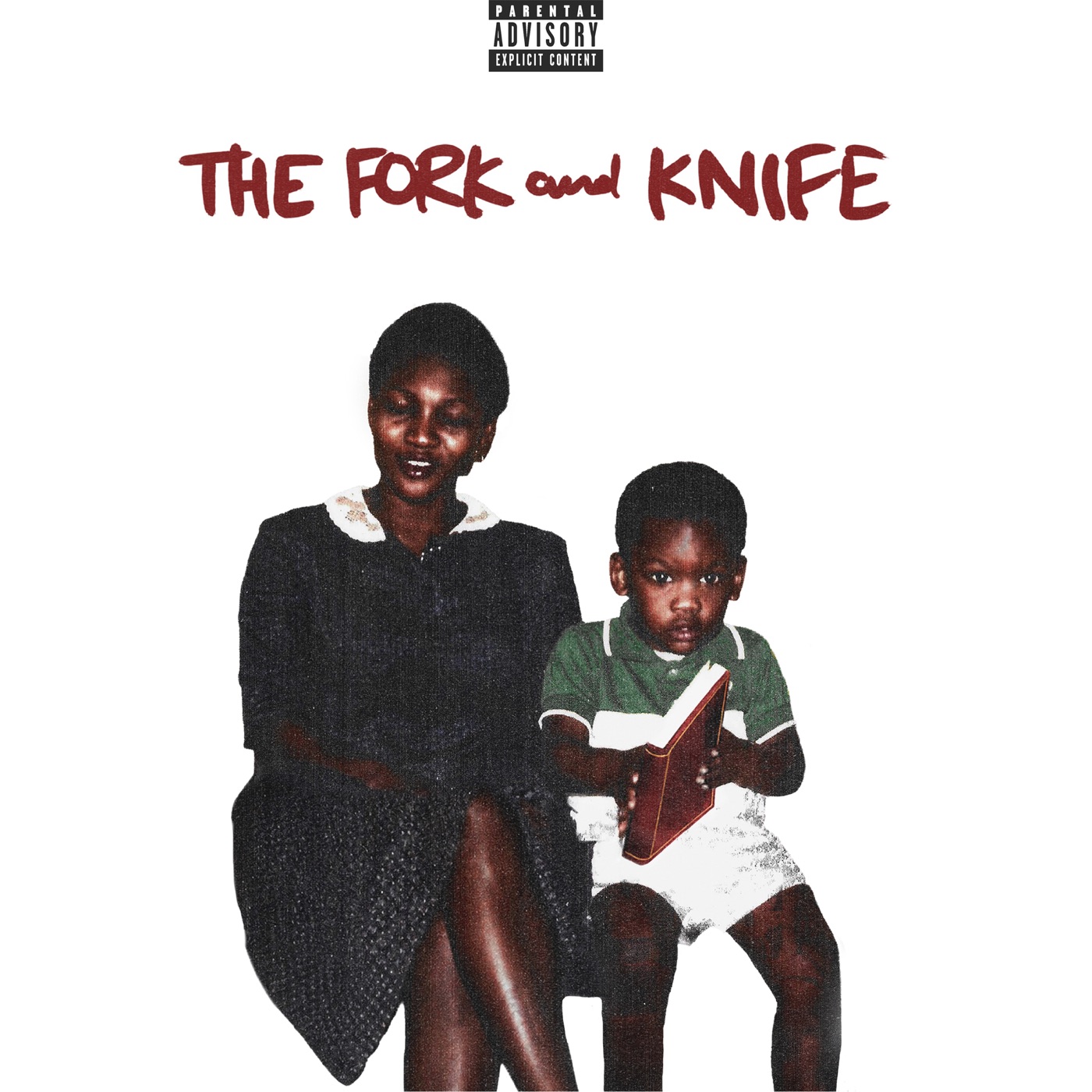
The Fork and Knife, released on November 6, puts that question back in play. Fifteen tracks move between grime, other rap traditions and dance music. The interesting part is not that Skepta can assemble famous guests. It is whether the person who helped build an independent route through British music can keep that route open for people who sound nothing like him.
BEFORE THE ALGORITHM

Grime did not begin as a playlist category. Its early circulation ran through pirate radio, crews and records made outside the usual industry channels. Wiley was appearing on pirate radio over jungle instrumentals in the late 1990s; his subsequent Eskibeat productions and Roll Deep helped give the emerging sound its own shape. London had a network before it had a neat marketing description.
Skepta and JME founded Boy Better Know in 2005, after their previous crew broke apart. Their response was practical: build something they could control. JME-designed BBK T-shirts helped fund the label. The logo travelled through schools and streets, making clothing a means of distribution as well as identification. Independence was something you had to organise and pay for.
The important inheritance is that refusal to wait for permission. Pirate radio offered a route to an audience that did not depend on a conventional radio programmer first deciding the music was usable. Crews created their own context. That does not make the period pure or effortless. It makes it a working example of artists building the infrastructure their music needed.
THE NEW UNDERGROUND

SoundCloud changes the distance between making a track and putting it in public. Discord changes how a scattered group can keep a conversation going. Files, producer contacts and recommendations can move through an online network without everyone sharing a postcode. A crew can be a room; it can also be a connection maintained across several time zones.
That describes a possibility, not a biography for every rapper currently called underground. Nettspend, slayr, Che and fakemink are not interchangeable, and naming them together does not establish a shared Discord server, a shared scene or a debt to Skepta. Neither American underground rap nor contemporary British internet rap needs to be explained as grime with different software.
The comparison becomes useful when it concerns control: who makes the records, who circulates them and who gets to define what matters. It becomes lazy when it treats every distorted beat as rebellion or every unusual outfit as proof of independence. Platforms have their own rules and commercial pressures. Escaping one gatekeeper does not mean there are no gates.
Skepta's relevance therefore cannot rest on being an honorary ancestor. A younger listener owes him no ceremonial attention. The records and relationships have to earn it.
THE FORK AND KNIFE

“Belly” makes its argument through scale. At eight minutes and forty-nine seconds, it gathers Frisco, Bossman Birdie, Kibo, Mayhem NODB, JME, Kruz Leone and Queenie around Skepta. Its extended cypher format asks you to stay with successive voices rather than hurry to a hook. The structure puts the collective ahead of the solitary star.
Length alone is not courage; a long posse cut can still become a roll call. What gives this one a reason to exist is the opportunity to hear different MCs occupy the same frame. The listener has to make comparisons. The song exposes the differences a shorter guest appearance can smooth away.
“Outside,” with Novelist, works on a much tighter timescale: two minutes and thirty-one seconds. That contrast matters. Grime's communal energy is not confined to an extended reunion. A two-MC record can put exchange at the centre without becoming a history lesson. Novelist is a collaborator here, not an exhibit presented to prove Skepta remembers the scene.
“Magic,” featuring Finessekid, is almost the same length. The release credits identify Killthissonny as its producer. That is a more useful detail than calling the track a generational bridge and leaving it there: the record involves another artist at the microphone and another person shaping its production. Collaboration has material terms, not merely symbolic ones.
The album also reaches towards Asake on “Aloe Vera,” Aya Nakamura on “Chippie,” and Suggs with Chase & Status on “Innocent Smile.” Chase & Status supply the latter's breakbeat production. “Victory Lap,” with Fred again.. and PlaqueBoyMax, closes the actual tracklist after “Belly.” The sequence refuses to leave the grime gathering as the final word.
That range is not automatically a virtue. A large guest list can spread a record thin, and stylistic movement can become a substitute for a clear idea. Here it creates the central tension: maintaining a recognisable voice while admitting that your original scene cannot contain everything you want to make.
“The originals do not have to disappear. They have to leave room.”
PRESS PLAY — 30 seconds, straight off the record
- 01Tony MontanaSkepta & Portable
THE GENERATIONAL HANDOFF
At the release-night show at The Cause in London, the reported guests included Novelist, Finessekid, fakemink and Suggs. That puts artists from different musical contexts in one live setting. It does not establish that they all belong to Skepta's movement, or that a guest appearance changes anyone's career overnight.
Bringing someone onstage can be meaningful support. It can also become a photograph in which the established artist remains the centre and everyone younger supplies evidence of relevance. The difference is what happens beyond the photograph: room to make work, proper credit and freedom to remain unlike the person offering the invitation.
The appearance offers a better question than whether Skepta has discovered the new underground. Does his platform make space for its differences? Support that requires the younger artist to become recognisable on the elder's terms is closer to absorption than a handoff.
THE UNDERGROUND DOESN'T BELONG TO ONE GENERATION
Underground is not an age bracket. Nor is it a permanent certificate awarded before an artist becomes famous. It is a relationship to how music gets made, circulated and defended when the convenient option would be to make it easier to sell.
Skepta matters today where he continues that argument, not where his reputation ends it. “Belly,” “Outside” and “Magic” offer different-sized spaces for other voices. The live guests extend the question into a room. None requires a younger listener to surrender their own taste as the price of admission.
The originals do not have to disappear. They have to leave room. And the next generation should not have to sound grateful.