Museums are usually quiet about how much they own. The Smithsonian, by its own count, holds more than 157 million objects and specimens, 2.1 million library volumes and around 156,000 cubic feet of archival material. Nobody will ever see all of it. Most of it will never leave a drawer. For two nights in July 2026, Refik Anadol tried a different approach: let a machine look at everything at once, and show us what it saw.
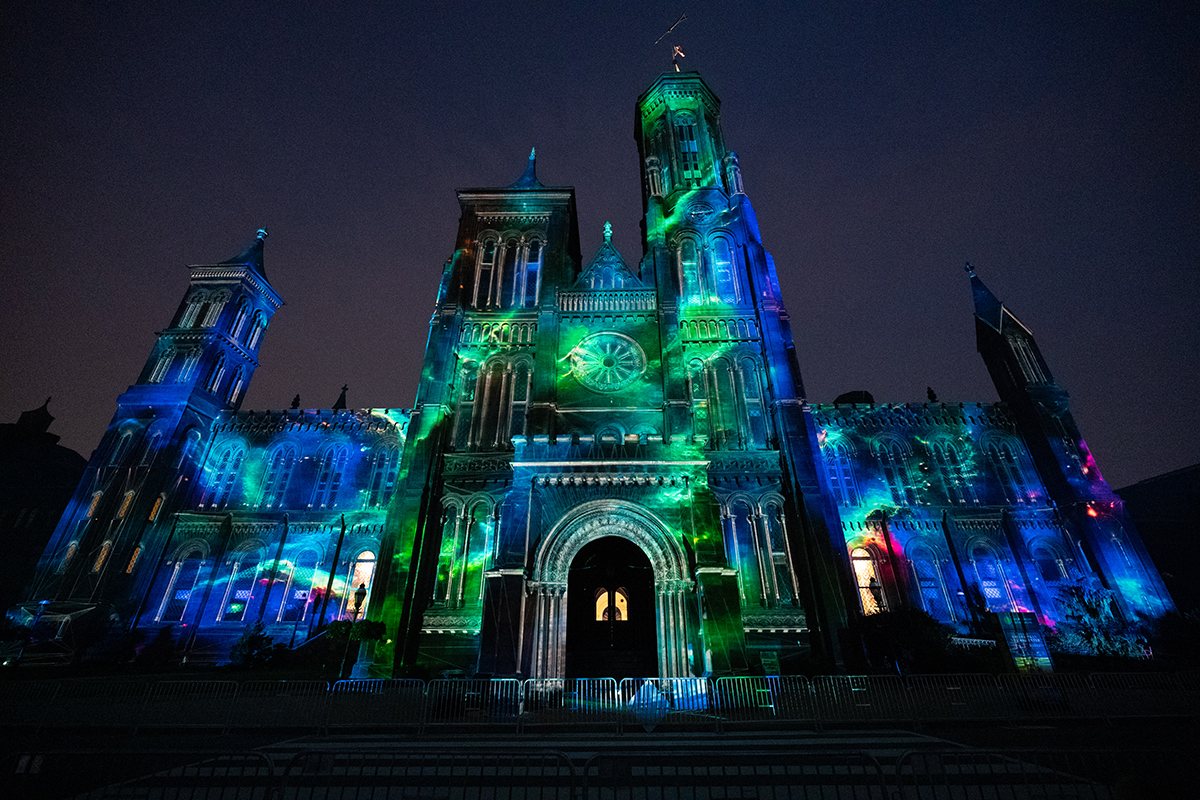
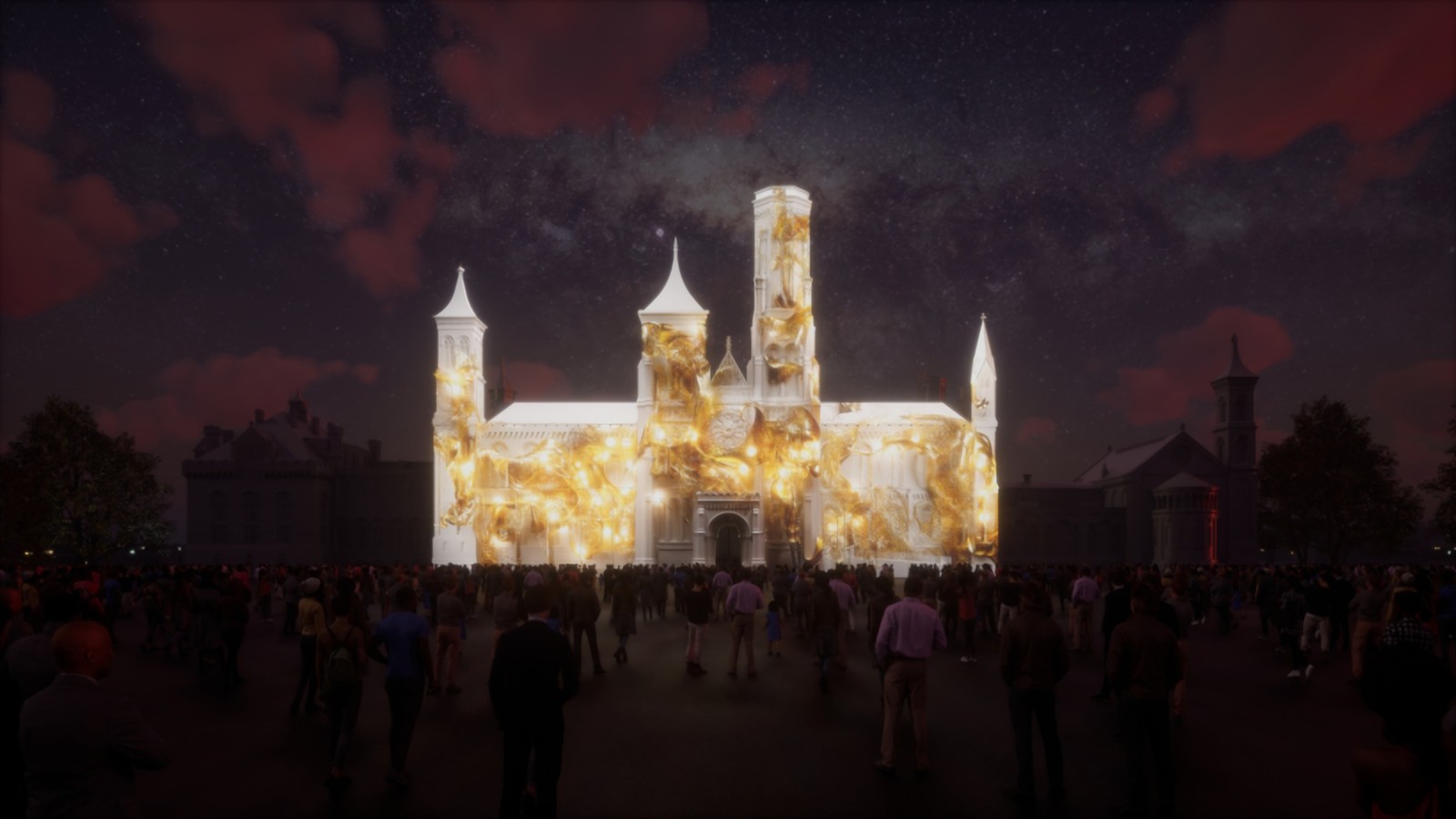
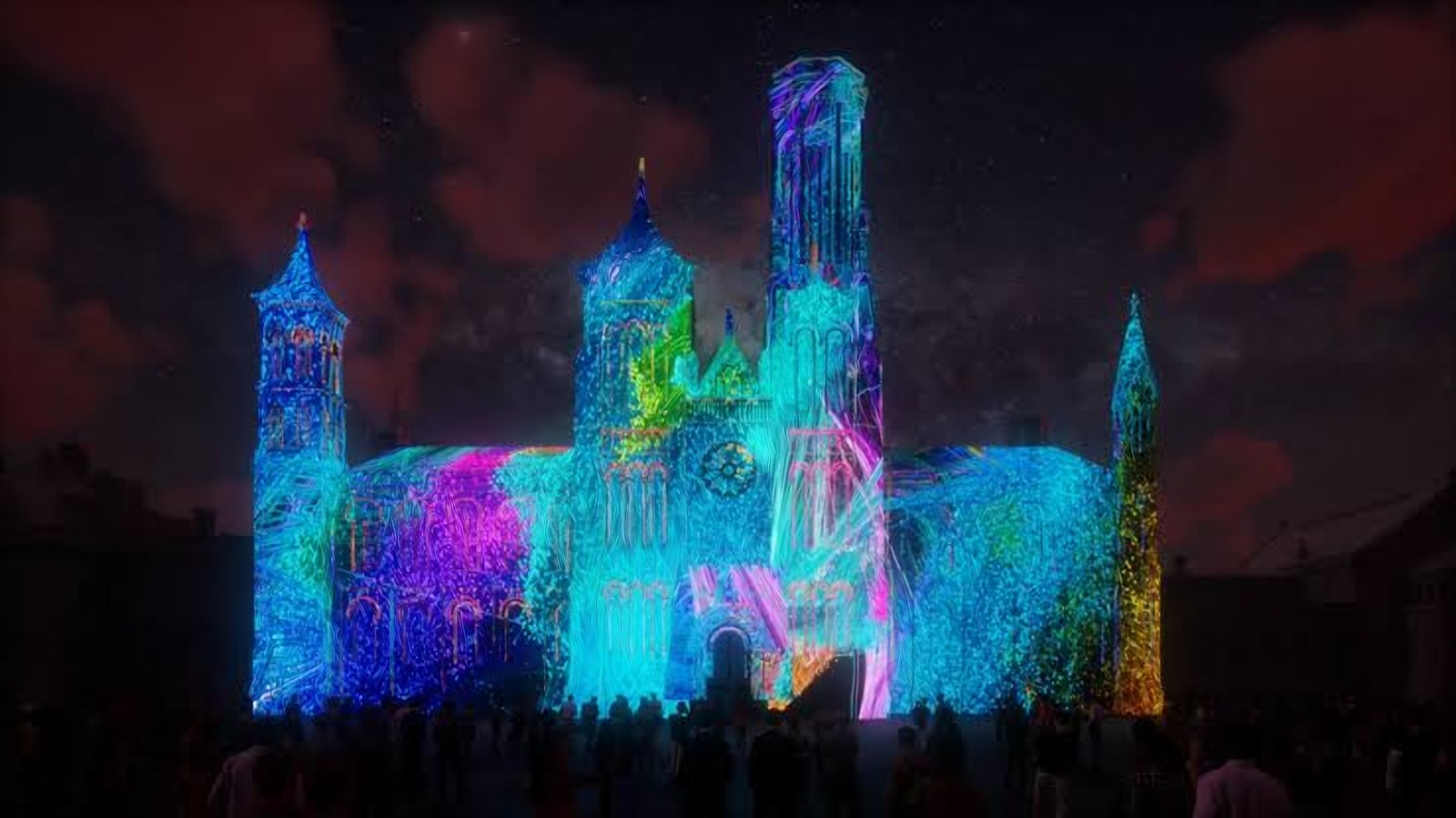
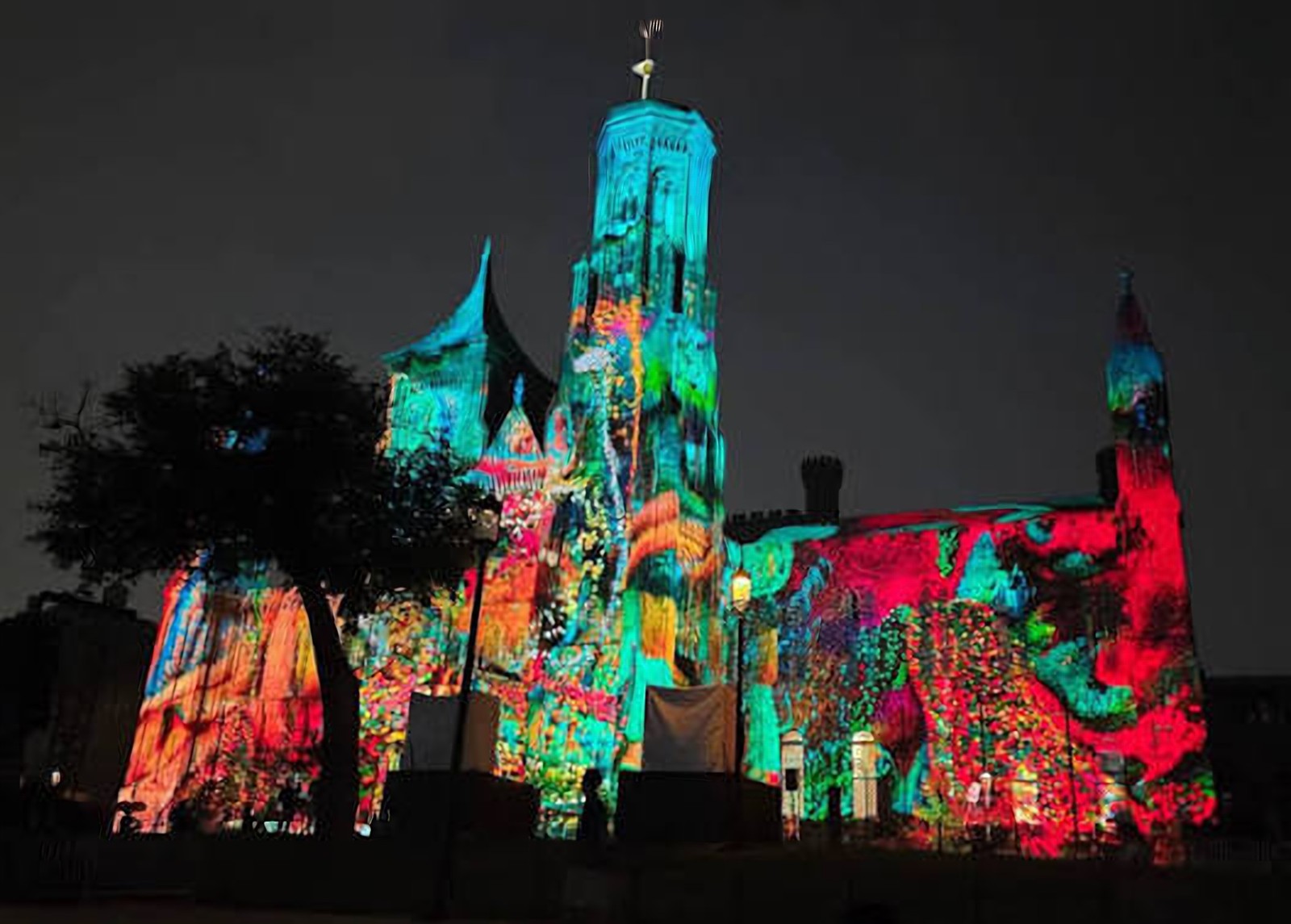
Smithsonian Dreams was projected across the red sandstone of the Smithsonian Castle on the National Mall on July 17 and 18, beginning at 9 p.m., free and open to the public. According to the Smithsonian, Refik Anadol Studio built a custom AI system to reinterpret nearly two centuries of collections and research — specimens, manuscripts, photographs, artworks, objects and scientific records. At its core is a visualisation system using UMAP, an algorithm that maps relationships within data. In plain terms: things that are alike drift together, things that are different drift apart, and the result moves.
Anadol has been making a version of this argument for years, and he states it plainly in the Smithsonian's announcement: data is a form of memory. That is a seductive idea and a slippery one. An archive is not a mind. It is a set of choices made by collectors, curators and scientists, many of them in eras with very particular ideas about who and what deserved preserving. When a machine 'dreams' through that archive, it dreams with those choices baked in.
That is precisely why the work is worth taking seriously instead of filing under light show. The presentation unfolded in chapters inspired by the institution's founding — beginning with the bequest of the British scientist James Smithson — before moving through discovery, preservation, creativity and collective memory. Placing it on the Castle, the Smithsonian's oldest building and a symbol of the institution itself, turns the façade into a kind of self-portrait. The building literally reflects on what it contains.
The strongest public art does not just decorate architecture; it changes what the architecture means while it is lit. For a few hours, a Victorian landmark became a screen for a question most institutions avoid: what is all of this for, if nobody can see it? Anadol's answer is that memory should move. Whether you find that liberating or unsettling probably depends on how you feel about letting algorithms decide which memories rise to the surface.
The project followed the opening of DATALAND in Los Angeles, a museum developed by Refik Anadol Studio and founded by Anadol and Efsun Erkılıç, dedicated to AI arts. That context matters. Smithsonian Dreams was not a one-off spectacle; it was a public demonstration of a movement that wants AI to be treated as a medium rather than a gimmick.
The images vanished after the second night, which feels right. A dream that stayed up permanently would just be a screensaver. What remains is the question it projected onto the Mall: when the archive starts dreaming, whose memories does it dream?