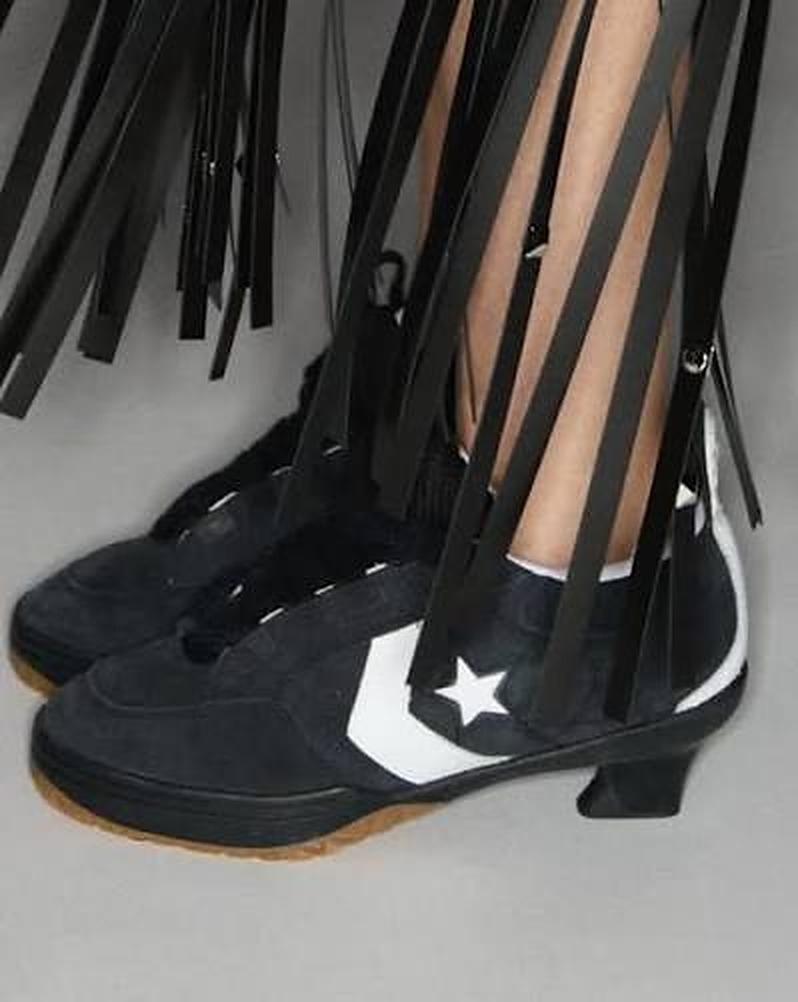
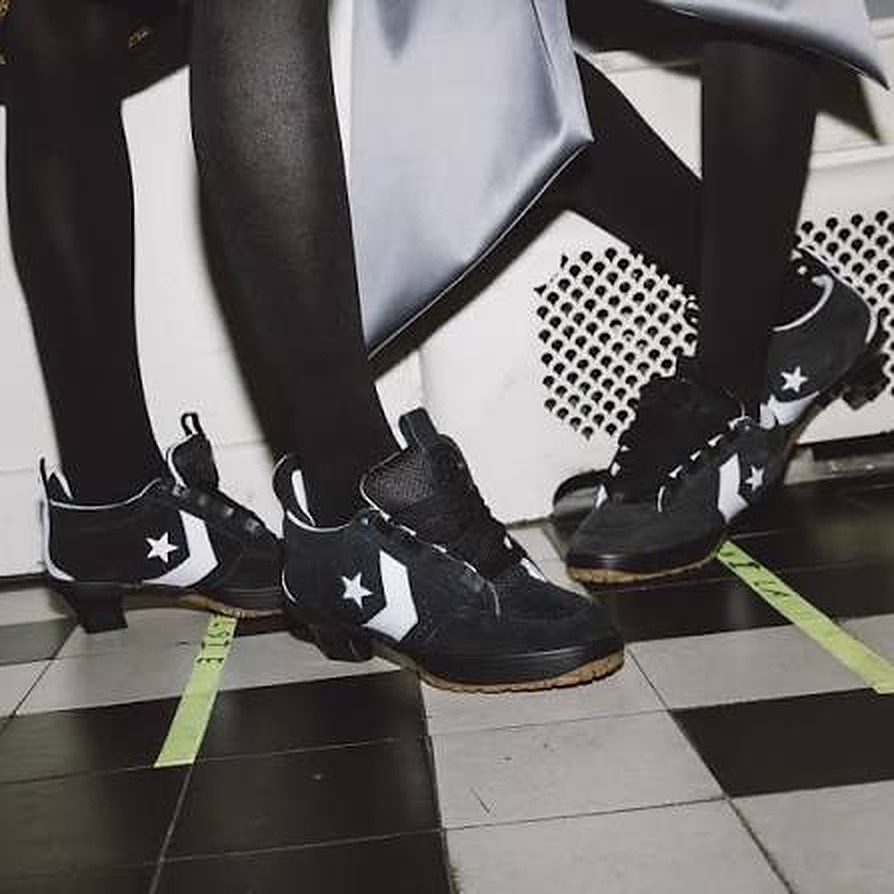
The most interesting thing about the Converse x Vaquera VX-1 Heel is not that it looks wrong. It is that the wrongness is so carefully constructed. A swollen skate-shoe vocabulary meets a kitten heel, and neither side politely disappears. The upper still carries the visual weight of a sneaker; the heel introduces an entirely different relationship to the ground. This is not a classic made discreetly luxurious. It is a familiar object being made difficult to classify.
A skate archive, with a different destination
Converse identifies the archival CS Pro-1, a padded Y2K skate shoe, as the starting point. That distinction matters. The VX-1 is not simply a Chuck Taylor raised a few centimetres. Its exaggerated sneaker language comes from a bulkier reference, making the delicate heel feel more disruptive than it would beneath a narrow upper.
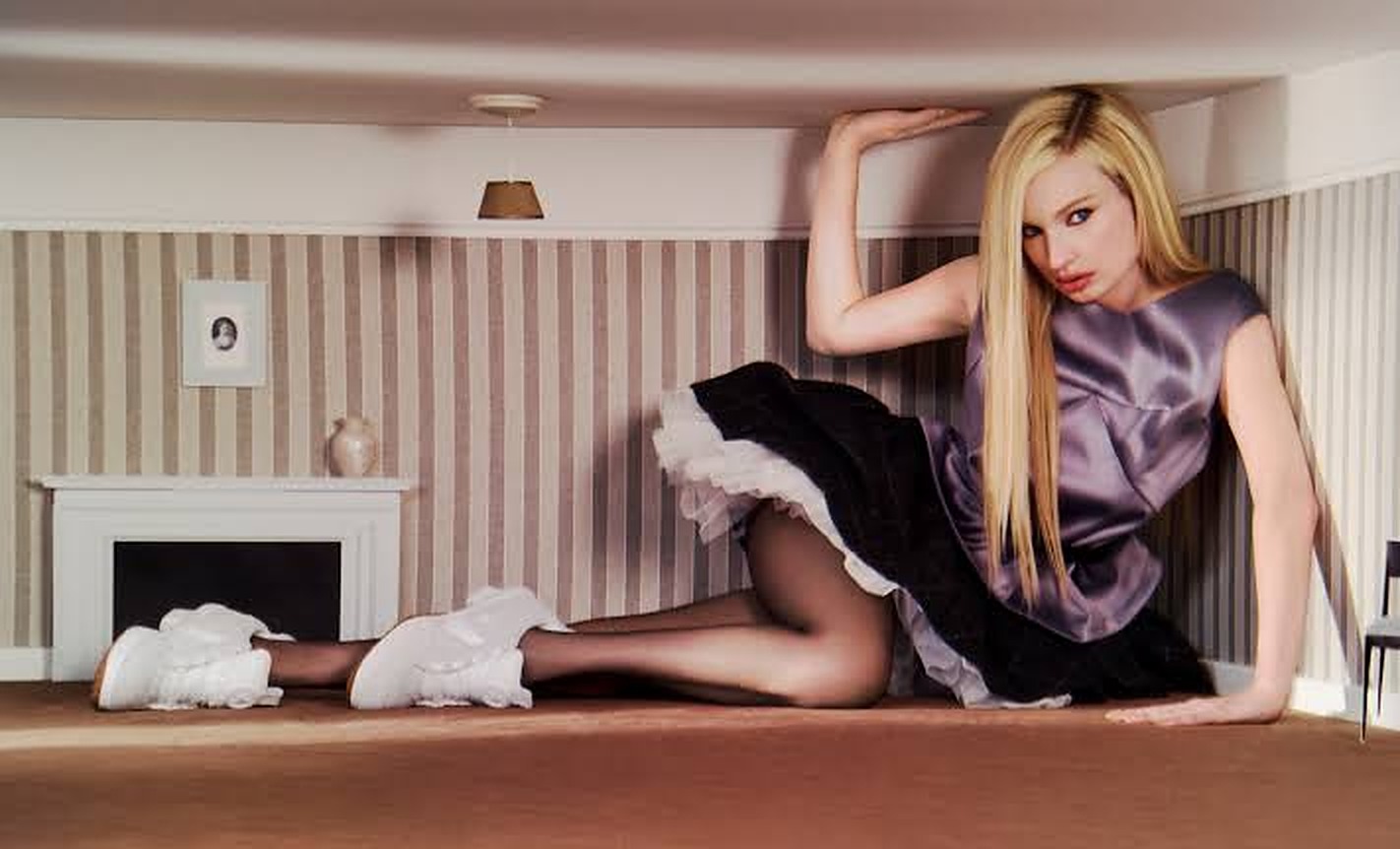
The official product description specifies retro eyelet covers, a translucent detail on the heel pull and a co-branded moulded rubber tongue label. Converse’s UK listing adds a suede upper, perforated accents, a padded mesh tongue and collar, and wide laces. These are details of an actual constructed shoe, not just a styling trick for a runway photograph. The contradictions continue at close range.
Categories are doing the work
The collaboration makes visible how much cultural instruction a shoe contains. Padding can imply sport, youth or protective equipment. A kitten heel can imply dress, poise or an established idea of femininity. Those associations are conventions rather than laws. Place them on the same object and the wearer has to negotiate competing signals.
That is the strongest reading of Vaquera’s intervention here: not a claim that one shoe has ended gender categories, but a demonstration that footwear categories were already unstable. Athletic and formal, exaggerated and restrained, casual and theatrical are useful descriptions until a designer makes them coexist. The shoe does not need a manifesto printed on its side to expose the problem.
Kim Petras, at dollhouse scale
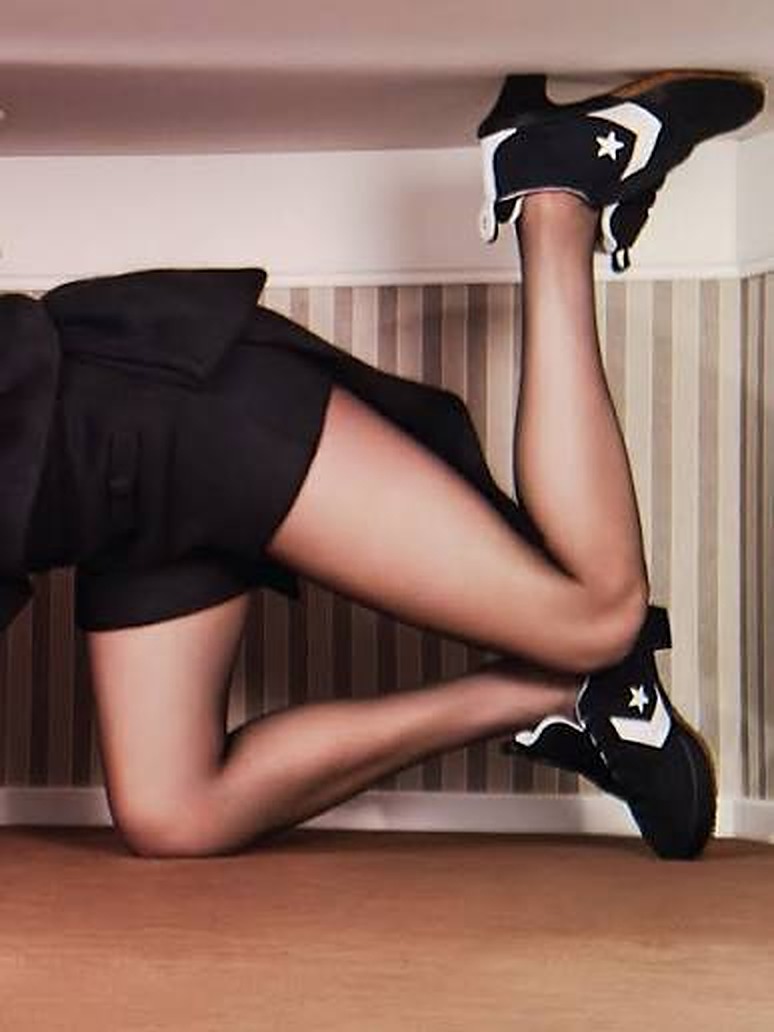
Kim Petras stars in the campaign, and the casting is exactly right. Petras has built a pop persona out of glossy exaggeration — doll-like blondeness, camp, hyper-femininity pushed until it tips into something sharper. Put her in a shoe that refuses to choose between skate park and cocktail hour and the contradiction stops reading as a gimmick. It reads as a character.
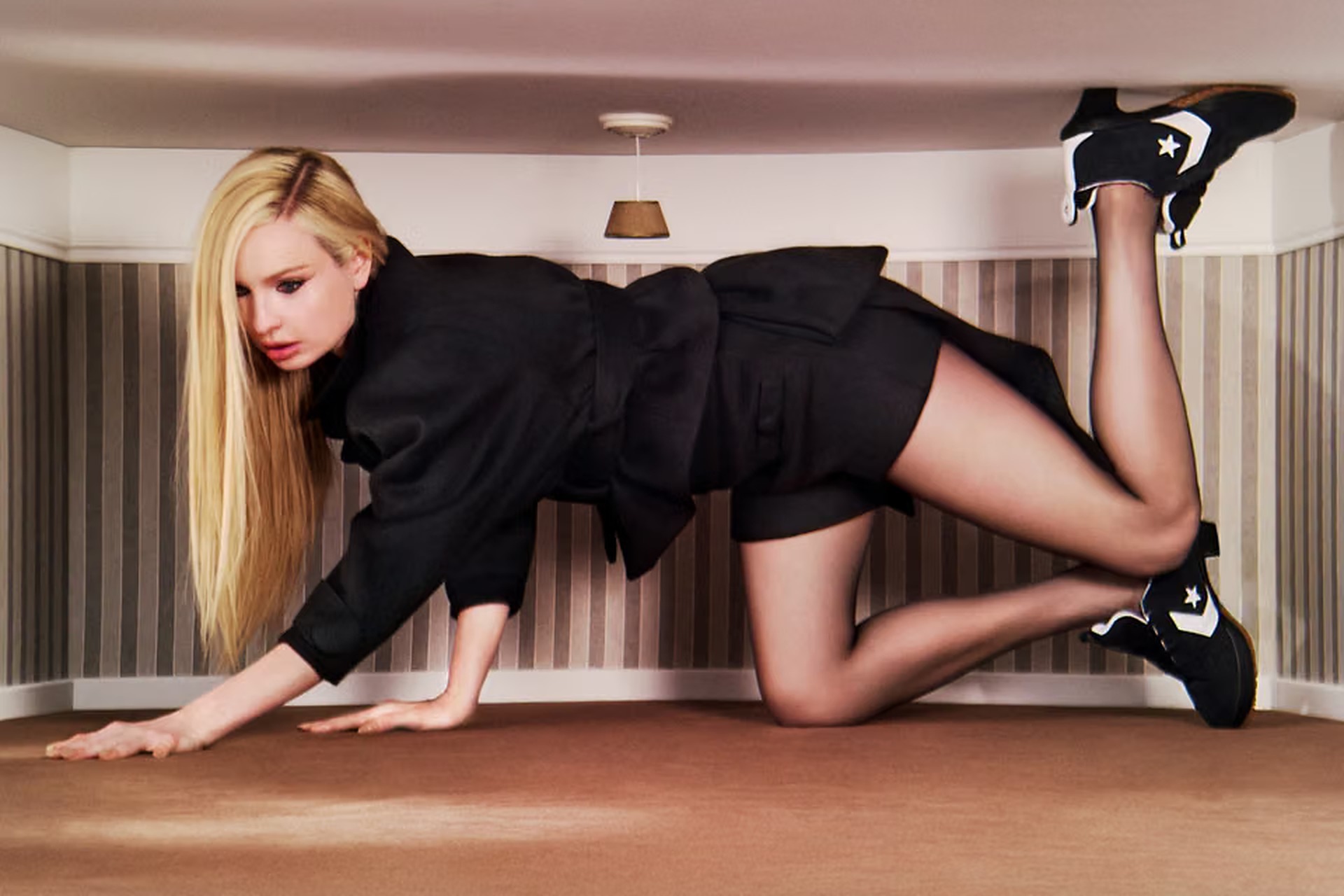
The imagery leans in. Petras is shot inside a shrunken, striped-wallpaper room, too big for the space: crawling across the carpet, legs braced against the ceiling, one heel kicked up where a light fitting should be. It is a dollhouse with a pop star trapped inside, and the VX-1 is the only thing in the frame that looks built for both worlds. Black suede for the main look, a white pair for the satin-and-ruffles moment — the shoe changes outfits as easily as she does.
Celebrity casting can amplify a design without explaining it. Here, Petras does something better: she shows how the shoe is meant to be worn — theatrically, a little wrong, and completely on purpose.
Release notes, without the sales pitch
The checked US Nike SNKRS page lists the black version under SKU A19134C-001 at $250. A second official page identifies the white version as A19133C-100. Regional pricing and stock are not universal, and neither page excerpt establishes an exact release day suitable for this article. That date remains an editorial check, not a gap to fill with the month in the brief.
The VX-1’s achievement is not versatility. It is refusing the easy reassurance that every new silhouette must slide neatly into an existing wardrobe category. The skate shoe has not grown up into a heel. It has arrived carrying two incompatible sets of instructions—and made the incompatibility the point.
The heel does not erase the sneaker beneath it. Instead, both categories remain visible, making the tension between them the design’s most persuasive feature.