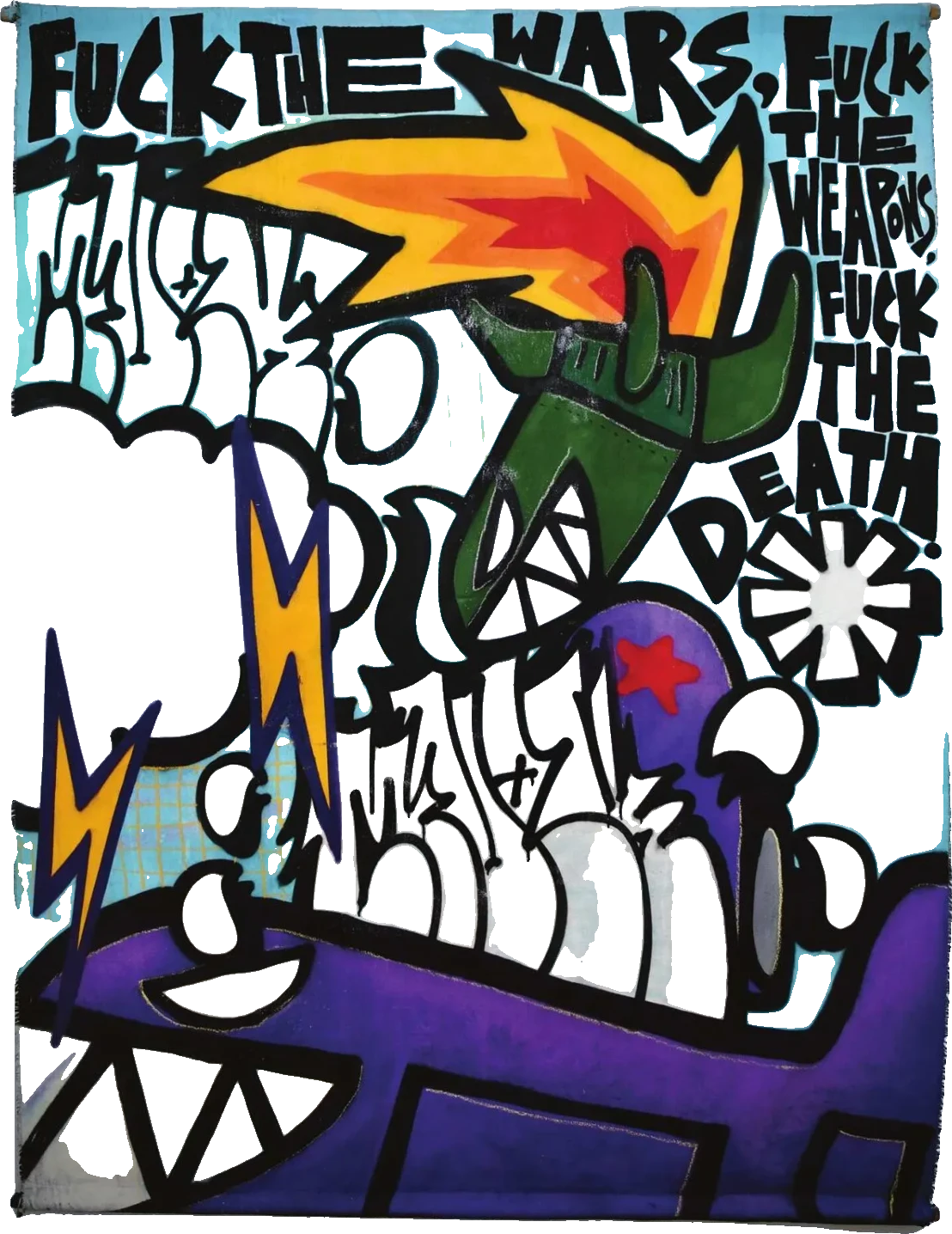
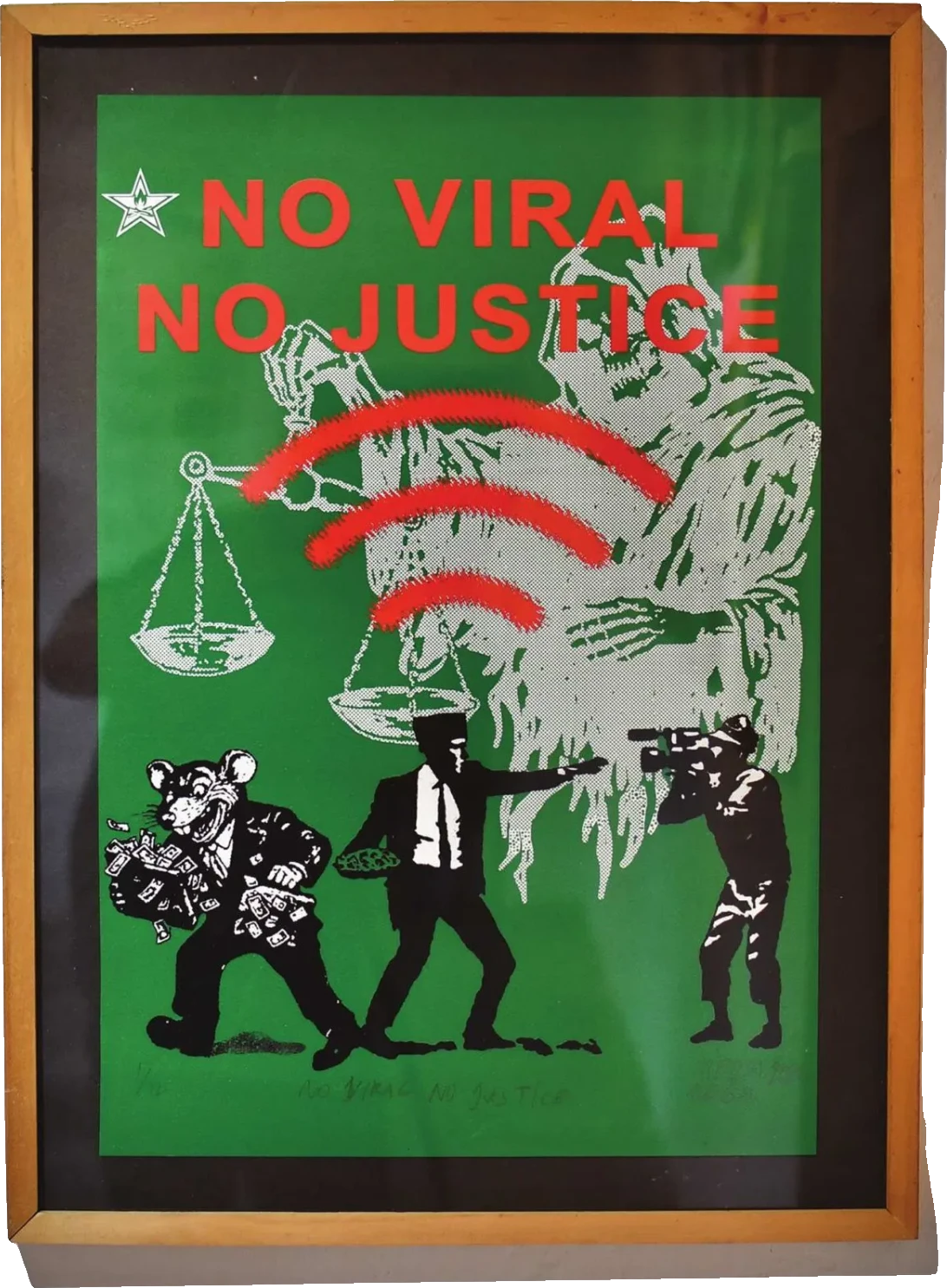
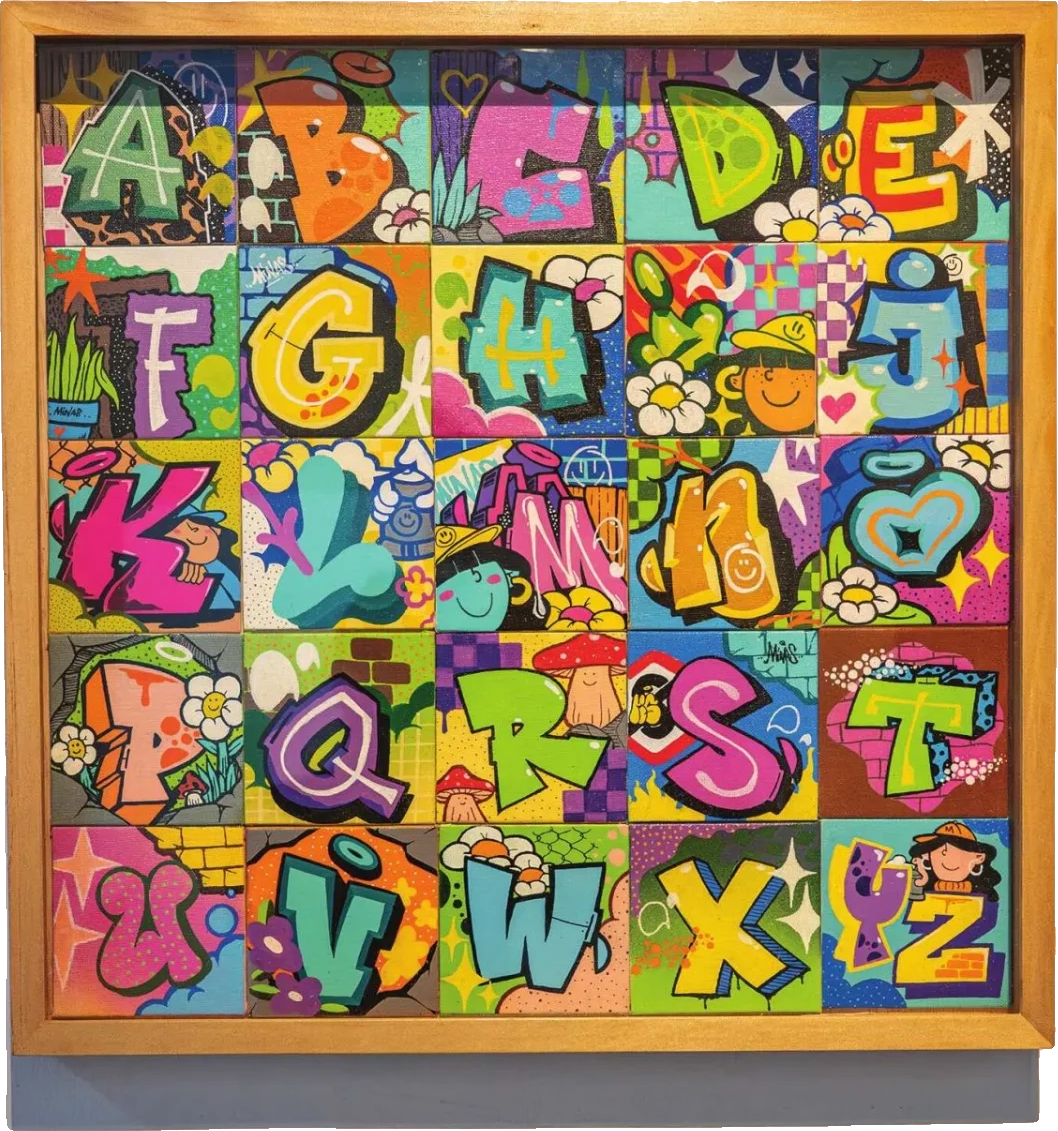
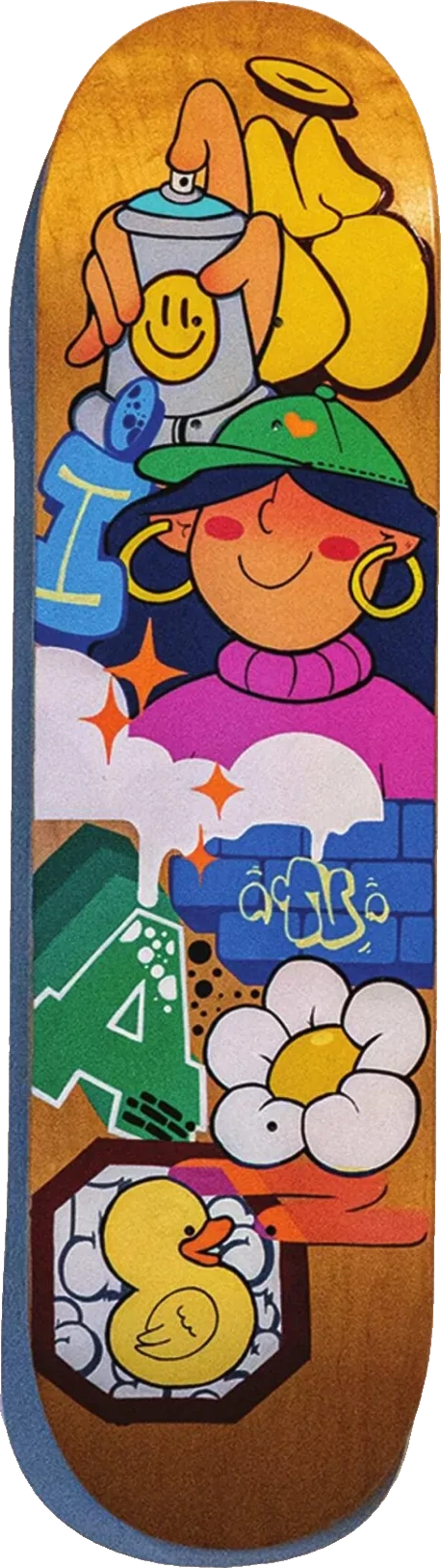
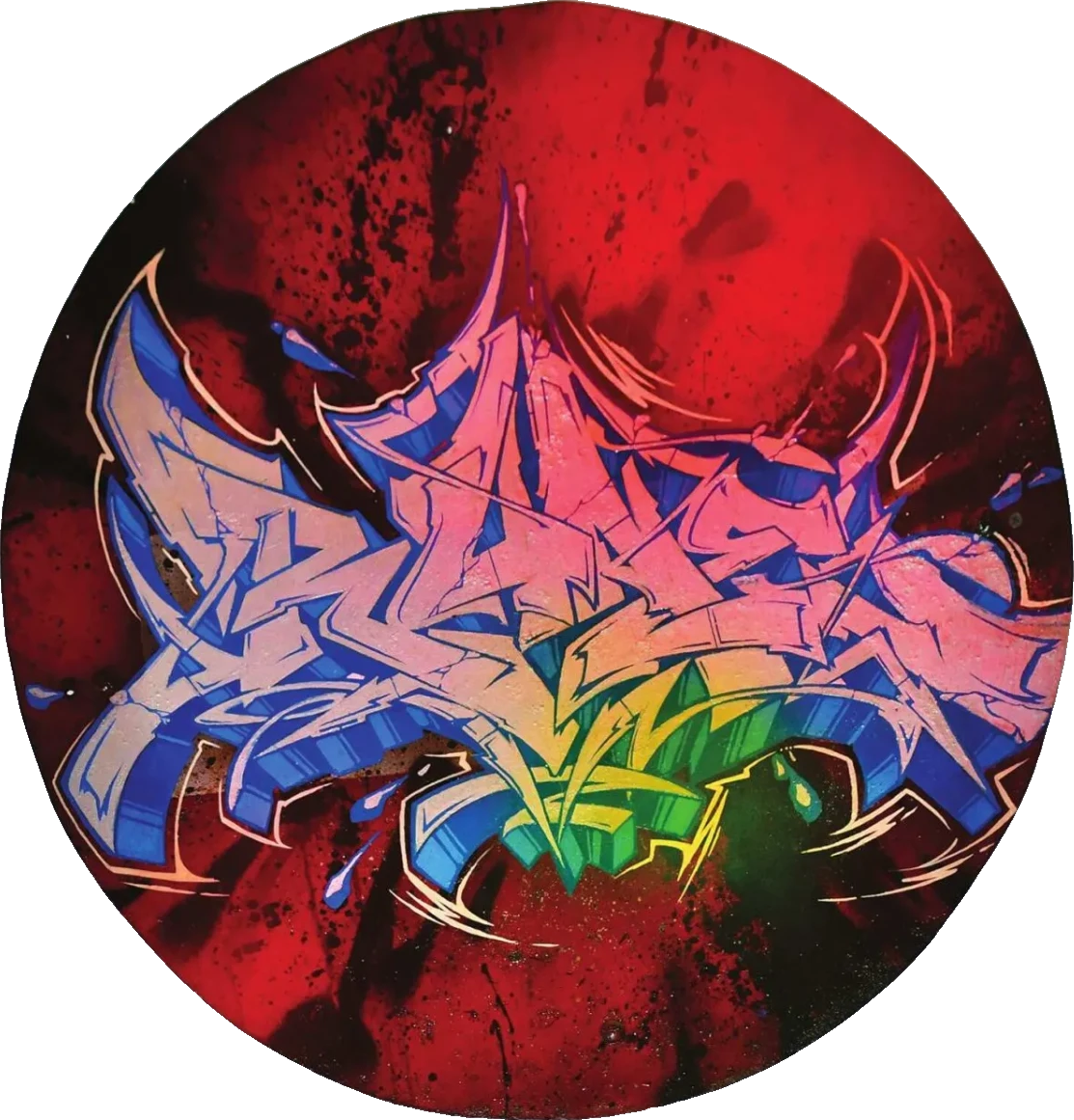
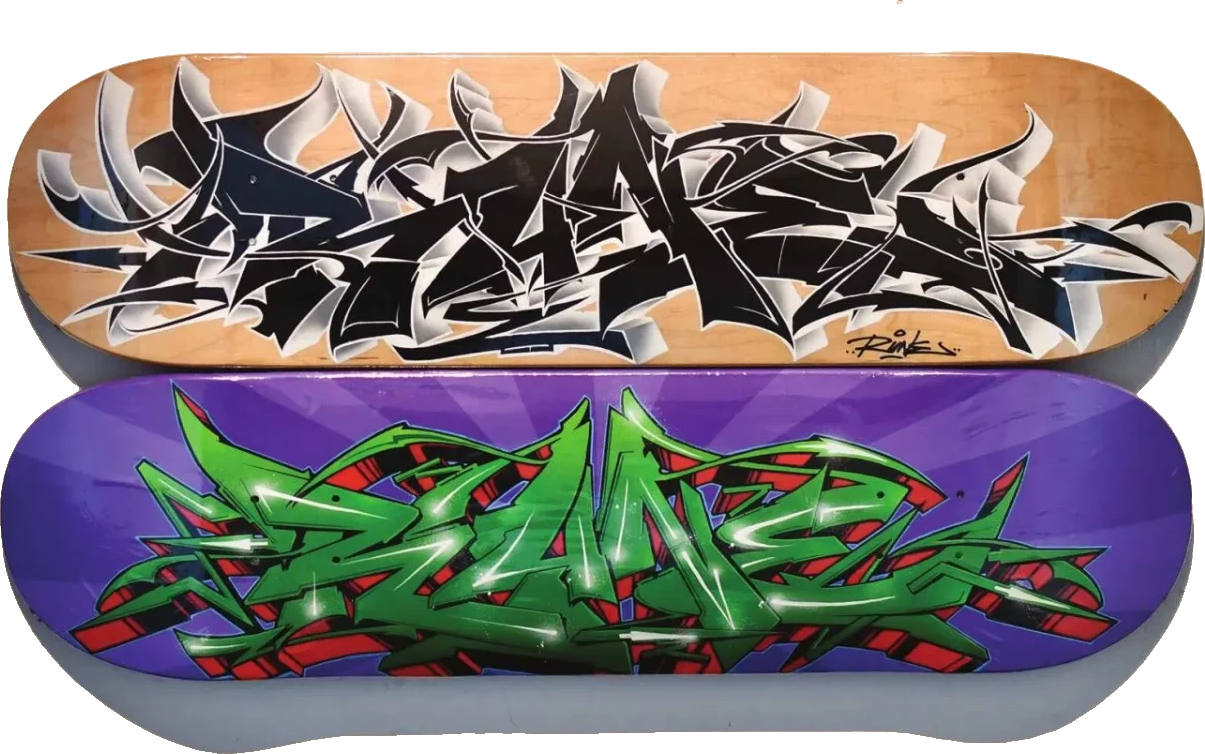
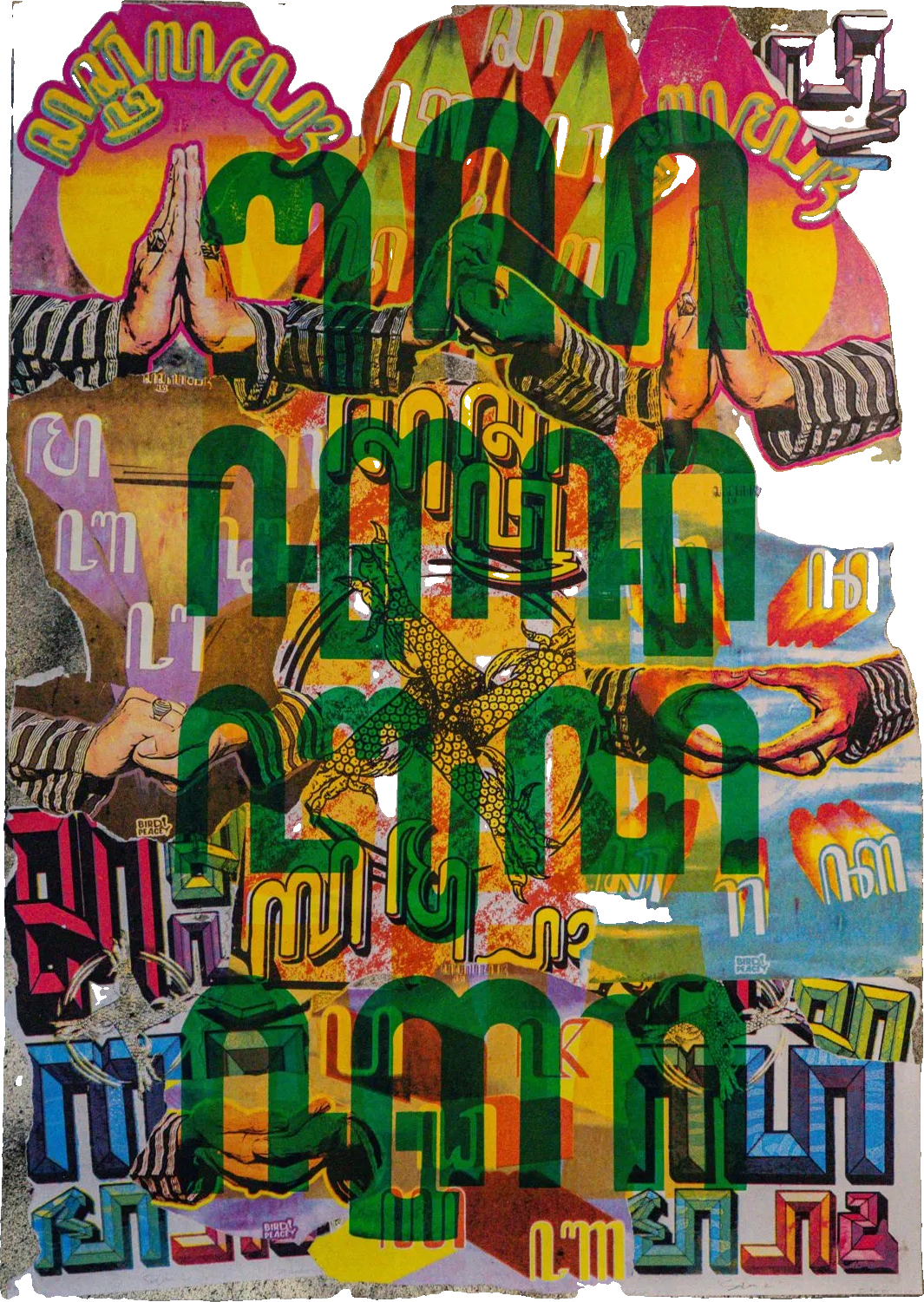
A wall can carry an announcement without speaking for an entire city. That distinction matters for WARA-WARA, an exhibition bringing together 21 artists and four collectives from Yogyakarta, Indonesia, at the University of Victoria's Legacy Art Gallery Downtown, 630 Yates Street, on Lekwungen Territory. Its subject is a particular network of practitioners, not a claim to summarise Indonesian street art.
The title comes from a Javanese term that the gallery translates as an announcement, warning or public call. That range of meanings is useful. A warning is not the same as a demand; an announcement need not be an act of opposition. The exhibition considers artistic responses to social, political and environmental uncertainty while explicitly resisting the idea that the street should be understood only as a site of protest.
Who is making the call?
The participating collectives are ABDW Art Project, Graphic Victims, Nyalakan! and Wayang Polah. The individual roster includes Anagard, Bayu Widodo, Digie Sigit, Farhan Siki, Homepippa, Ismu Ismoyo, Patub Porx, Samuel Indratma and Wimbo Praharso, among others. Naming them is more than administrative detail. It interrupts the convenient but flattening phrase 'the Yogyakarta scene', which can make distinct practices sound like a single author.
The gallery locates these artists within overlapping street-art, graffiti, mural and comic communities. Overlap does not mean interchangeability. Those forms involve different scales, audiences and methods of circulation. The available exhibition description does not assign every artist a medium or explain every collective's internal structure, and there is no reason to invent those distinctions on their behalf.
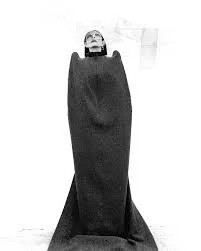
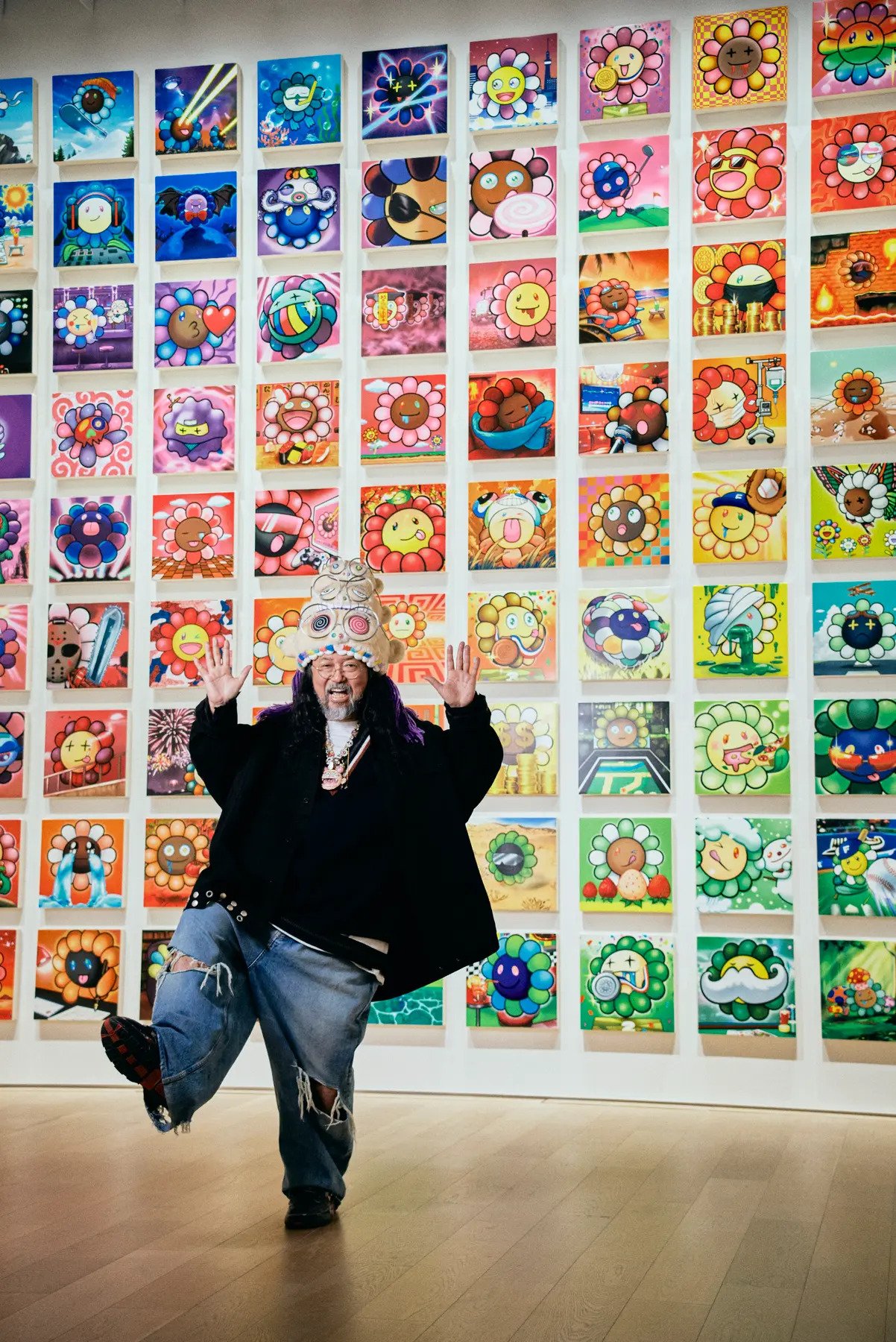
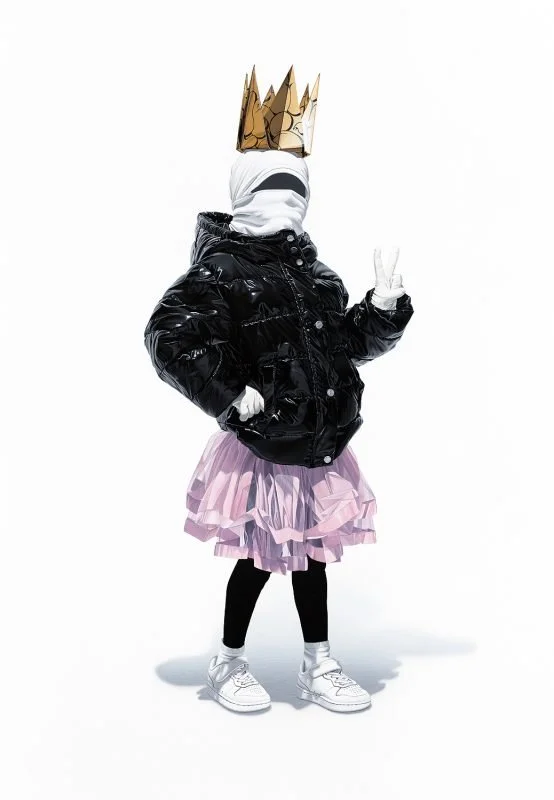
What is confirmed is a presentation of paintings, drawings, prints and new site-responsive work, accompanied by photographs and video documenting the project's origins in Yogyakarta. That combination gives the exhibition two related tasks: showing works in Victoria and conveying something of the relationships through which the project developed elsewhere.
Collaboration is part of the content
WARA-WARA was developed through collaboration between Survive! Garage in Yogyakarta, the University of Victoria Art Collections and the participating artists and collectives. The institutional account names Bayu Widodo, Patub Porx and Richard Fox as central to connecting its different parts. Fox, from UVic's Pacific and Asian Studies department, contributed conceptual and curatorial work, writing, editing, translation and coordination across the exhibition, catalogue, videos and public programmes.
These are not incidental services surrounding the real artwork. Translation shapes what an audience can understand. Editing determines how practices are introduced. Coordination affects whose contribution reaches a public platform. Making those forms of work visible helps counter the tendency to present an international exhibition as though objects simply arrived, fully explained, from somewhere else.
The gallery's emphasis is on relationships, conversation and shared activity sustained over time. That offers a more demanding proposition than a collection of images labelled resistance. It asks how people continue making together, including when the immediate moment of crisis has passed. The public call matters, but so does the infrastructure that allows anyone to hear it and answer.
What changes in Victoria?
Moving work into a Canadian gallery changes its audience and setting. Documentation can supply context, but it cannot make the two locations equivalent. Likewise, a new site-responsive work is not simply a piece of Yogyakarta transported intact. It is produced in relation to another exhibition situation.
The walls are speaking, then, but not in one voice. WARA-WARA offers a way to listen without demanding that every work deliver the same political message. Its public call is also a question for the receiving institution: can it create room for those differences, or will it turn collaboration into another easily consumed style?